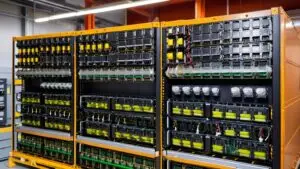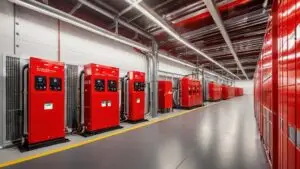

Energy Storage Systems (ESS) have emerged as a pivotal component in the modern energy landscape, particularly as industries and businesses strive for greater efficiency and sustainability. These systems encompass a variety of technologies designed to store energy for later use, thereby enabling a more flexible and reliable energy supply. The growing demand for renewable energy sources, coupled with the need for grid stability and resilience, has propelled the development and adoption of ESS solutions across various sectors.
As organizations seek to optimize their energy consumption and reduce operational costs, understanding the intricacies of ESS solutions becomes essential. The evolution of ESS technology has been driven by advancements in battery storage, including lithium-ion, flow batteries, and other innovative solutions. These technologies not only facilitate the integration of renewable energy sources like solar and wind but also provide backup power during outages, enhance grid reliability, and support demand response initiatives.
As businesses navigate the complexities of energy management, ESS solutions offer a pathway to achieving operational efficiency while addressing environmental concerns. This article delves into the multifaceted role of ESS solutions in enhancing operational efficiency, cost savings, sustainability, and their integration into existing infrastructures.
Key Takeaways
- ESS solutions are essential for optimizing energy management and driving operational efficiency in businesses.
- Leveraging ESS solutions can result in significant cost savings and enhance sustainability efforts.
- Integrating ESS solutions into existing infrastructure is crucial for maximizing operational efficiency and achieving business success.
- Successful case studies demonstrate the positive impact of ESS solutions on businesses, highlighting their potential for driving operational efficiency.
- Overcoming challenges in adopting ESS solutions is key to unlocking their full potential and ensuring a successful future in driving operational efficiency.
Understanding Operational Efficiency
Operational efficiency refers to the ability of an organization to deliver products or services in the most cost-effective manner while maintaining high quality. It encompasses various aspects of business operations, including resource utilization, process optimization, and waste reduction. In the context of energy management, operational efficiency is particularly critical as energy costs can significantly impact a company’s bottom line.
By optimizing energy usage, organizations can not only reduce expenses but also improve their overall productivity. Achieving operational efficiency involves a comprehensive analysis of energy consumption patterns and identifying areas where improvements can be made. This may include upgrading equipment to more energy-efficient models, implementing smart technologies for real-time monitoring, or adopting practices that promote energy conservation.
The integration of ESS solutions plays a crucial role in this process by providing businesses with the tools necessary to manage their energy resources effectively. By storing excess energy generated during low-demand periods and utilizing it during peak times, organizations can minimize their reliance on expensive grid power and enhance their operational efficiency.
The Role of ESS Solutions in Energy Management

Energy management is a strategic approach that involves monitoring, controlling, and conserving energy in a building or organization. ESS solutions are integral to this process as they provide the means to store energy generated from renewable sources or during off-peak hours for later use. This capability not only helps in balancing supply and demand but also enhances the reliability of energy systems.
For instance, during periods of high demand when electricity prices soar, businesses can draw from their stored energy reserves instead of purchasing power from the grid at inflated rates. Moreover, ESS solutions facilitate the integration of distributed energy resources (DERs), such as solar panels and wind turbines, into the energy mix. By acting as a buffer between these intermittent sources and the grid, ESS can smooth out fluctuations in energy supply and ensure a consistent power flow.
This is particularly important for industries that require a stable energy supply for critical operations. Additionally, advanced energy management systems can leverage data analytics to optimize the charging and discharging cycles of ESS, further enhancing overall energy efficiency.
Leveraging ESS Solutions for Cost Savings
One of the most compelling advantages of implementing ESS solutions is the potential for significant cost savings. Businesses can achieve this through various mechanisms, including demand charge management, peak shaving, and time-of-use rate optimization. Demand charges are fees imposed by utility companies based on the maximum amount of power drawn during peak periods.
By utilizing stored energy during these times, organizations can reduce their peak demand and subsequently lower their overall electricity costs. Furthermore, time-of-use pricing structures incentivize consumers to shift their energy usage to off-peak hours when electricity rates are lower. ESS solutions enable businesses to store energy during these cheaper periods and utilize it when prices rise.
This strategic approach not only leads to direct savings on utility bills but also enhances cash flow management by providing more predictable energy costs over time. For example, a manufacturing facility that implements an ESS solution may find that its monthly electricity expenses decrease significantly by avoiding high demand charges and capitalizing on lower rates.
Enhancing Sustainability with ESS Solutions
Sustainability has become a cornerstone of corporate responsibility as organizations recognize their role in addressing climate change and environmental degradation. ESS solutions contribute to sustainability efforts by enabling greater reliance on renewable energy sources and reducing greenhouse gas emissions associated with traditional fossil fuel-based power generation. By storing excess renewable energy generated during peak production times—such as sunny afternoons for solar panels—businesses can utilize this clean energy when needed, thereby decreasing their carbon footprint.
In addition to supporting renewable integration, ESS solutions can enhance sustainability through improved energy efficiency. By optimizing energy usage patterns and reducing waste, organizations can minimize their environmental impact while simultaneously achieving cost savings. For instance, a commercial building equipped with an advanced ESS solution can monitor its energy consumption in real-time and adjust its usage accordingly, leading to reduced reliance on non-renewable sources and lower emissions overall.
Integrating ESS Solutions into Existing Infrastructure

The successful integration of ESS solutions into existing infrastructure requires careful planning and consideration of various factors. Organizations must assess their current energy systems, identify potential areas for improvement, and determine how best to incorporate new technologies without disrupting ongoing operations. This often involves collaborating with energy consultants or technology providers who can offer insights into the most suitable ESS options based on specific needs.
One common approach is to retrofit existing facilities with modular ESS units that can be scaled according to demand. This flexibility allows businesses to start small and expand their systems as needed without incurring significant upfront costs. Additionally, integrating ESS solutions with existing building management systems (BMS) can enhance overall operational efficiency by providing centralized control over energy resources.
For example, a facility manager can use a BMS integrated with an ESS to optimize heating, cooling, and lighting based on real-time occupancy data while ensuring that stored energy is utilized effectively.
Maximizing Operational Efficiency with ESS Solutions
To maximize operational efficiency through ESS solutions, organizations must adopt a proactive approach that includes continuous monitoring and optimization of their energy systems. This involves leveraging advanced analytics and machine learning algorithms to analyze historical data and predict future energy needs accurately. By understanding consumption patterns and identifying trends, businesses can make informed decisions about when to charge or discharge their ESS units.
Moreover, employee training plays a crucial role in maximizing the benefits of ESS solutions. Staff should be educated about the importance of energy management practices and how they can contribute to overall efficiency goals. Engaging employees in sustainability initiatives fosters a culture of responsibility and encourages them to adopt behaviors that support efficient energy use.
For instance, simple actions such as turning off equipment when not in use or adjusting thermostat settings can collectively lead to substantial savings when combined with an effective ESS strategy.
Case Studies: Successful Implementation of ESS Solutions
Numerous organizations have successfully implemented ESS solutions to enhance their operational efficiency and achieve significant cost savings. One notable example is Tesla’s deployment of its Powerpack systems at commercial sites across various industries. A prominent case involved a large grocery chain that installed Tesla Powerpacks at several locations to manage its peak demand charges effectively.
By utilizing stored energy during peak hours, the grocery chain reported a reduction in electricity costs by up to 30%, demonstrating the tangible financial benefits of integrating ESS technology. Another compelling case study is that of a manufacturing facility that adopted an advanced flow battery system as part of its energy management strategy. The facility faced challenges related to fluctuating electricity prices and frequent power outages that disrupted production schedules.
By integrating the flow battery system with its existing solar array, the manufacturer was able to store excess solar energy generated during the day for use during nighttime operations or peak demand periods. This not only improved operational reliability but also reduced reliance on grid power by over 40%, showcasing how innovative ESS solutions can transform business operations.
Overcoming Challenges in Adopting ESS Solutions
While the benefits of adopting ESS solutions are clear, organizations often face challenges during implementation that must be addressed proactively. One significant hurdle is the initial capital investment required for purchasing and installing these systems. Although many businesses recognize the long-term savings potential, securing funding for upfront costs can be daunting.
To mitigate this challenge, organizations may explore financing options such as power purchase agreements (PPAs) or leasing arrangements that allow them to spread costs over time while still reaping immediate benefits. Another challenge lies in navigating regulatory frameworks and utility policies that may impact the deployment of ESS solutions. In some regions, outdated regulations may hinder the ability to connect storage systems to the grid or limit participation in demand response programs.
Engaging with local utilities and policymakers is essential for advocating for supportive policies that facilitate the adoption of innovative technologies like ESS. By collaborating with stakeholders across the industry, organizations can help shape a more favorable environment for integrating these solutions into their operations.
The Future of ESS Solutions in Driving Operational Efficiency
The future of ESS solutions appears promising as technological advancements continue to drive innovation in this field. Emerging technologies such as solid-state batteries and artificial intelligence are poised to enhance the performance and efficiency of energy storage systems significantly. Solid-state batteries offer higher energy densities and improved safety compared to traditional lithium-ion batteries, making them an attractive option for large-scale applications.
Furthermore, as more businesses prioritize sustainability goals and seek ways to reduce their carbon footprints, the demand for efficient ESS solutions will likely increase. The convergence of renewable energy adoption with advanced storage technologies will create new opportunities for organizations to optimize their operations while contributing positively to environmental outcomes. As industries evolve toward more sustainable practices, those who invest in cutting-edge ESS solutions will be well-positioned to lead in operational efficiency and competitiveness.
The Impact of ESS Solutions on Business Success
The integration of Energy Storage Systems into business operations represents a transformative shift toward greater operational efficiency, cost savings, and sustainability. As organizations navigate an increasingly complex energy landscape characterized by rising costs and environmental concerns, embracing innovative technologies like ESS becomes imperative for long-term success. By leveraging these solutions effectively, businesses can not only enhance their bottom lines but also contribute positively to global sustainability efforts.
In summary, Energy Storage Systems are not merely technological advancements; they are essential tools that empower organizations to optimize their energy management strategies comprehensively. As industries continue to evolve in response to changing market dynamics and regulatory pressures, those who harness the potential of ESS solutions will undoubtedly gain a competitive edge in achieving operational excellence while fostering a more sustainable future.
FAQs
What are ESS solutions?
ESS solutions, or Enterprise Sustainability and Compliance solutions, are software platforms designed to help organizations manage and report on their environmental, social, and governance (ESG) performance. These solutions help companies track and improve their sustainability efforts, ensure compliance with regulations, and drive operational efficiency.
How do ESS solutions drive operational efficiency?
ESS solutions drive operational efficiency by streamlining processes, automating data collection and reporting, and providing insights that help organizations identify areas for improvement. By centralizing sustainability and compliance data, ESS solutions enable better decision-making and resource allocation, ultimately leading to more efficient operations.
What are the benefits of using ESS solutions?
Some of the benefits of using ESS solutions include improved data accuracy and transparency, reduced compliance risks, cost savings through operational efficiencies, enhanced brand reputation, and the ability to meet stakeholder expectations for sustainability and transparency.
How do ESS solutions help with compliance?
ESS solutions help with compliance by providing tools for tracking and managing regulatory requirements, automating reporting processes, and ensuring that organizations have the necessary documentation and evidence to demonstrate compliance. This helps companies avoid fines and penalties while also fostering a culture of continuous improvement in sustainability and compliance efforts.
What industries can benefit from ESS solutions?
ESS solutions can benefit a wide range of industries, including manufacturing, energy, utilities, transportation, retail, and more. Any organization that is subject to environmental, social, or governance regulations, or that wants to improve its sustainability performance, can benefit from implementing an ESS solution.