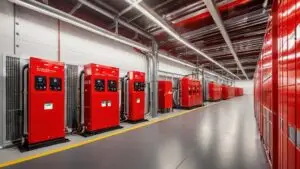

Energy Storage Systems (ESS) have become increasingly vital in the modern energy landscape, particularly as the world shifts towards renewable energy sources. The technical standards governing these systems are essential for ensuring their reliability, safety, and efficiency. These standards encompass a wide range of specifications, including performance metrics, safety protocols, and operational guidelines.
They serve as a framework for engineers and manufacturers to design, implement, and maintain energy storage solutions that meet both industry expectations and regulatory requirements. The development of ESS technical standards is often a collaborative effort involving various stakeholders, including industry experts, regulatory bodies, and academic institutions. Organizations such as the International Electrotechnical Commission (IEC) and the Institute of Electrical and Electronics Engineers (IEEE) play a crucial role in establishing these standards.
By providing a common language and set of criteria, these organizations help facilitate innovation while ensuring that safety and performance benchmarks are met across different applications and technologies.
Key Takeaways
- ESS Technical Standards are crucial for ensuring the safety and reliability of energy storage systems.
- The Engineering Guide for ESS provides valuable information on designing and implementing ESS systems according to technical standards.
- Battery safety is a top priority in ESS systems and requires careful consideration of design, installation, and maintenance.
- Engineers play a critical role in interpreting and implementing ESS technical standards to ensure system performance and safety.
- Key components of ESS technical standards include design requirements, performance criteria, and safety considerations for battery systems.
Navigating the Engineering Guide for ESS
The Engineering Guide for Energy Storage Systems serves as a comprehensive resource for engineers involved in the design and implementation of ESS. This guide outlines best practices, methodologies, and considerations that engineers must take into account when working with energy storage technologies. It covers various aspects of system design, including site assessment, technology selection, integration with existing infrastructure, and performance evaluation.
One of the key features of the Engineering Guide is its emphasis on a systems approach. Engineers are encouraged to consider the entire lifecycle of an ESS, from initial concept through to decommissioning. This holistic perspective ensures that all potential challenges are addressed early in the design process, ultimately leading to more efficient and sustainable energy storage solutions.
Additionally, the guide provides case studies and real-world examples that illustrate successful implementations of ESS across different sectors, further enhancing its practical value.
Ensuring Battery Safety in ESS Systems

Battery safety is a paramount concern in the design and operation of Energy Storage Systems. Given the potential hazards associated with battery technologies—such as thermal runaway, chemical leaks, and electrical failures—adhering to safety standards is critical. Engineers must implement rigorous testing protocols and safety measures to mitigate these risks throughout the system’s lifecycle.
One effective strategy for ensuring battery safety is the incorporation of advanced monitoring systems that can detect anomalies in real-time. These systems can track temperature, voltage, and current levels, providing early warnings of potential issues before they escalate into serious problems. Furthermore, engineers should consider redundancy in critical safety components, such as fire suppression systems and containment measures, to enhance overall system resilience.
By prioritizing safety in the design phase, engineers can significantly reduce the likelihood of accidents and ensure compliance with relevant safety regulations.
Interpreting ESS Technical Standards for Engineers
Interpreting ESS technical standards requires a deep understanding of both the specific requirements outlined in the standards and the broader context in which these standards operate. Engineers must be adept at navigating complex documentation that often includes technical jargon and detailed specifications. This skill is essential for ensuring that designs not only meet regulatory requirements but also align with industry best practices.
To effectively interpret these standards, engineers should engage in continuous education and training. Workshops, webinars, and professional development courses can provide valuable insights into the latest updates in ESS technical standards. Additionally, collaboration with peers and industry experts can facilitate knowledge sharing and enhance understanding of nuanced requirements.
By fostering a culture of learning and inquiry, engineers can better navigate the complexities of ESS technical standards and apply them effectively in their projects.
Key Components of ESS Technical Standards
The key components of ESS technical standards encompass a variety of elements that collectively ensure the safe and efficient operation of energy storage systems. These components typically include performance criteria, safety requirements, testing methodologies, and operational guidelines. Performance criteria may specify metrics such as energy density, cycle life, and efficiency ratings that systems must achieve to be deemed effective.
Safety requirements are particularly critical in the context of battery technologies. Standards often outline specific protocols for thermal management, electrical isolation, and chemical handling to minimize risks associated with battery operation. Testing methodologies provide a framework for evaluating system performance under various conditions, ensuring that systems can withstand real-world challenges.
Operational guidelines help define best practices for installation, maintenance, and decommissioning processes, contributing to the overall sustainability of energy storage solutions.
Implementing ESS Technical Standards in Engineering Projects

Implementing ESS technical standards in engineering projects involves a systematic approach that integrates these standards into every phase of project development. From initial planning to final execution, engineers must ensure that all aspects of the project align with established standards. This process often begins with a thorough assessment of project requirements and constraints, allowing engineers to identify relevant standards that apply to their specific context.
Collaboration among multidisciplinary teams is essential during implementation. Engineers must work closely with project managers, safety officers, and regulatory compliance specialists to ensure that all team members understand their roles in adhering to technical standards. Regular audits and reviews throughout the project lifecycle can help identify any deviations from standards early on, allowing for timely corrective actions.
By embedding ESS technical standards into project workflows, engineers can enhance project outcomes while minimizing risks associated with non-compliance.
Addressing Common Misconceptions about ESS Technical Standards
Despite their importance, misconceptions about ESS technical standards persist within the engineering community. One common misconception is that these standards are overly restrictive and stifle innovation. In reality, technical standards are designed to provide a foundation upon which innovation can occur safely and effectively.
By establishing clear benchmarks for performance and safety, these standards enable engineers to explore new technologies without compromising reliability or public safety. Another misconception is that compliance with technical standards is solely a regulatory requirement rather than a best practice for engineering excellence. In truth, adherence to these standards not only fulfills legal obligations but also enhances the credibility of engineering designs.
Projects that meet or exceed established standards are more likely to gain stakeholder trust and achieve long-term success in the marketplace. By addressing these misconceptions through education and outreach efforts, industry leaders can foster a more informed understanding of the value of ESS technical standards.
Integrating ESS Technical Standards with Existing Engineering Practices
Integrating ESS technical standards with existing engineering practices requires a thoughtful approach that considers both established methodologies and new requirements introduced by these standards. Engineers must evaluate how current practices align with technical standards and identify areas where adjustments may be necessary. This process often involves revisiting design protocols, testing procedures, and project management strategies to ensure compatibility.
One effective strategy for integration is to leverage existing frameworks while incorporating new elements from ESS technical standards. For example, engineers can adapt traditional risk assessment methodologies to include specific considerations related to battery technologies and energy storage systems. Additionally, training sessions focused on bridging gaps between existing practices and new standards can facilitate smoother transitions for engineering teams.
By fostering an environment of adaptability and continuous improvement, organizations can successfully integrate ESS technical standards into their engineering practices.
Adhering to ESS Technical Standards for Regulatory Compliance
Adhering to ESS technical standards is not only crucial for ensuring system performance but also for achieving regulatory compliance. Regulatory bodies often mandate compliance with specific technical standards as part of their oversight responsibilities. Failure to adhere to these standards can result in significant penalties, project delays, or even legal repercussions.
To navigate this complex landscape effectively, engineers must stay informed about relevant regulations at local, national, and international levels. This involves regularly reviewing updates from regulatory agencies and industry organizations that govern energy storage technologies. Additionally, establishing robust documentation practices can help demonstrate compliance during audits or inspections.
By prioritizing adherence to ESS technical standards as part of their compliance strategy, engineers can mitigate risks associated with regulatory non-compliance while enhancing project credibility.
Best Practices for Meeting ESS Technical Standards in Engineering Designs
Meeting ESS technical standards in engineering designs requires a commitment to best practices throughout the design process. One fundamental best practice is conducting thorough feasibility studies before initiating any project. These studies should assess not only technical requirements but also economic viability and environmental impact considerations.
Another best practice involves engaging stakeholders early in the design process to gather input on potential challenges or concerns related to compliance with technical standards. This collaborative approach fosters transparency and encourages diverse perspectives that can enhance design outcomes. Additionally, implementing iterative design processes allows engineers to refine their designs based on feedback from testing phases or stakeholder reviews continually.
By embracing these best practices, engineers can create designs that not only meet but exceed ESS technical standards.
Resources for Staying Up-to-Date with ESS Technical Standards and Battery Safety Regulations
Staying current with ESS technical standards and battery safety regulations is essential for engineers working in this rapidly evolving field. Numerous resources are available to help professionals remain informed about changes in regulations and best practices. Industry organizations such as the IEEE and IEC regularly publish updates on technical standards through newsletters, webinars, and conferences.
Additionally, professional associations often provide access to research papers, case studies, and white papers that explore emerging trends in energy storage technologies. Online platforms such as LinkedIn groups or specialized forums can also serve as valuable networking tools where professionals share insights and experiences related to compliance with technical standards. By actively engaging with these resources and communities, engineers can ensure they remain at the forefront of developments in ESS technical standards and battery safety regulations.
FAQs
What are ESS technical standards?
ESS technical standards refer to the specific requirements and guidelines for the design, installation, and operation of energy storage systems (ESS). These standards ensure the safety, reliability, and interoperability of ESS technologies.
Why are ESS technical standards important?
ESS technical standards are important because they provide a framework for ensuring the safe and effective deployment of energy storage systems. They help to minimize risks, ensure compatibility between different ESS components, and promote the widespread adoption of ESS technologies.
Who develops ESS technical standards?
ESS technical standards are developed by various organizations and regulatory bodies, including the International Electrotechnical Commission (IEC), the Institute of Electrical and Electronics Engineers (IEEE), and the National Fire Protection Association (NFPA). These organizations work with industry experts to establish consensus-based standards.
What are some common ESS technical standards?
Some common ESS technical standards include IEC 62619 for grid-connected energy storage systems, IEEE 1547 for interconnecting distributed energy resources, and NFPA 855 for the installation of stationary energy storage systems.
How do ESS technical standards impact engineers?
Engineers play a crucial role in ensuring compliance with ESS technical standards. They must design ESS systems that meet the requirements outlined in the standards, conduct thorough testing and validation, and adhere to best practices for installation and maintenance. Compliance with ESS technical standards is essential for ensuring the safety and performance of ESS technologies.