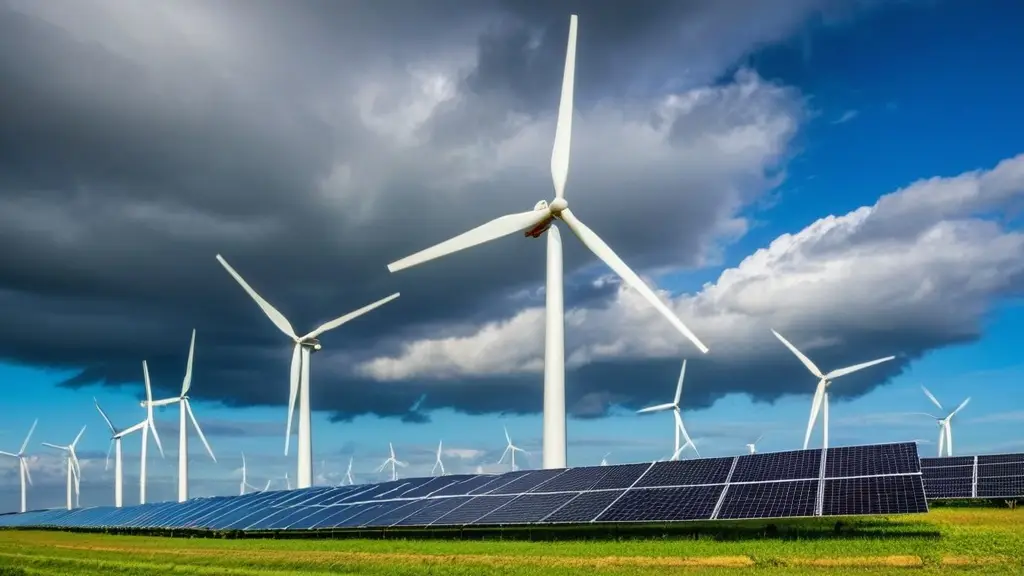
The transition to renewable energy sources is a critical component of global efforts to combat climate change and reduce reliance on fossil fuels. However, the inherent variability of renewable energy sources, such as solar and wind, poses significant challenges for maintaining a stable and reliable power supply. This is where Energy Storage Systems (ESS) come into play.
By integrating ESS with renewable energy generation, we can effectively address the intermittency issues associated with these energy sources. The ability to store excess energy generated during peak production times and release it during periods of low generation is essential for creating a resilient energy infrastructure. Moreover, the integration of ESS not only enhances the reliability of renewable energy systems but also facilitates a smoother transition to a decentralized energy model.
As more consumers adopt solar panels and other renewable technologies, the demand for reliable storage solutions will increase. This shift towards localized energy production and consumption necessitates robust storage systems that can manage fluctuations in supply and demand. By investing in advanced ESS technologies, we can ensure that renewable energy becomes a cornerstone of our energy landscape, providing clean, sustainable power while maintaining grid stability.
Key Takeaways
- Integrating renewable energy with reliable energy storage systems is crucial for ensuring a stable and sustainable energy supply.
- Energy storage systems play a vital role in balancing supply and demand in renewable energy systems, ensuring uninterrupted power supply.
- Solar power can maximize its benefits through integration with energy storage systems, allowing for greater flexibility and efficiency.
- Overcoming challenges in integrating renewable energy with ESS is essential for uninterrupted power and enhancing grid stability and resilience.
- The economic and environmental benefits of integrating renewable energy with ESS are significant, making it a key consideration for the future of energy integration.
Understanding the Role of Energy Storage Systems in Renewable Energy Integration
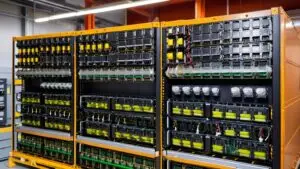
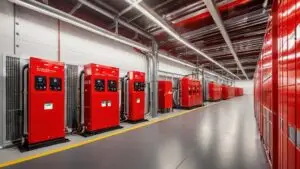
Energy Storage Systems serve as a bridge between energy generation and consumption, playing a pivotal role in the integration of renewable energy sources into the existing grid. These systems can take various forms, including batteries, pumped hydro storage, and flywheels, each with its unique advantages and applications. For instance, lithium-ion batteries have gained popularity due to their high energy density and decreasing costs, making them suitable for residential and commercial applications.
On the other hand, pumped hydro storage remains one of the most established forms of large-scale energy storage, capable of storing vast amounts of energy over extended periods. The primary function of ESS in renewable energy integration is to store surplus energy generated during periods of high production and release it when demand exceeds supply. This capability is particularly crucial for solar and wind energy, which are subject to daily and seasonal fluctuations.
For example, solar power generation peaks during midday hours when sunlight is abundant but may not align with peak electricity demand in the evening. By utilizing ESS, we can capture this excess solar energy and deploy it later when it is most needed, thereby enhancing the overall efficiency of the energy system.
Maximizing the Benefits of Solar Power through ESS Integration

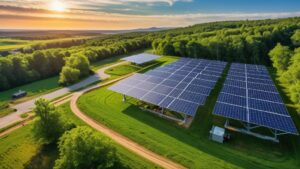
Solar power has emerged as one of the most promising renewable energy sources due to its abundance and decreasing costs. However, its intermittent nature necessitates effective integration with Energy Storage Systems to maximize its benefits. By coupling solar installations with ESS, we can create a more reliable and efficient energy supply that meets consumer demands while minimizing waste.
For instance, residential solar systems equipped with battery storage allow homeowners to utilize their generated power even when the sun isn’t shining, reducing reliance on grid electricity and lowering utility bills. In commercial applications, businesses can leverage ESS to optimize their energy usage further. By storing solar energy generated during the day, companies can avoid peak demand charges that often occur during high consumption periods.
This not only leads to significant cost savings but also contributes to a more sustainable business model. Furthermore, integrating ESS with solar power can enhance grid resilience by providing ancillary services such as frequency regulation and voltage support, which are essential for maintaining grid stability.
Overcoming Challenges in Integrating Renewable Energy with ESS for Uninterrupted Power
Despite the clear advantages of integrating Energy Storage Systems with renewable energy sources, several challenges must be addressed to achieve uninterrupted power supply. One significant hurdle is the initial capital investment required for both renewable generation and storage technologies. While costs have been declining, many consumers and businesses still face financial barriers that hinder widespread adoption.
Policymakers must implement incentives and financing mechanisms to encourage investment in these technologies. Another challenge lies in the technical integration of ESS with existing grid infrastructure. Many grids were designed for centralized fossil fuel generation and may not be equipped to handle the decentralized nature of renewable energy combined with storage solutions.
Upgrading grid infrastructure to accommodate these changes requires careful planning and investment in smart grid technologies that can manage distributed energy resources effectively. Additionally, regulatory frameworks must evolve to support innovative business models that facilitate the deployment of ESS alongside renewable generation.
The Role of ESS in Balancing Supply and Demand in Renewable Energy Systems
Energy Storage Systems play a crucial role in balancing supply and demand within renewable energy systems. The ability to store excess energy generated during low-demand periods allows for a more flexible response to fluctuations in electricity consumption. For instance, during weekends or holidays when industrial demand decreases, stored energy can be released back into the grid to maintain balance without relying on fossil fuel backup generation.
Moreover, ESS can provide valuable services such as demand response and load shifting. By incentivizing consumers to adjust their electricity usage based on available renewable generation, we can further enhance system efficiency. For example, utilities can offer time-of-use pricing that encourages consumers to use stored energy during peak hours when electricity prices are higher.
This not only helps stabilize the grid but also promotes a culture of energy conservation among consumers.
Enhancing Grid Stability and Resilience through ESS Integration with Renewable Energy

The integration of Energy Storage Systems with renewable energy sources significantly enhances grid stability and resilience. As more intermittent resources are added to the grid, maintaining a stable frequency becomes increasingly challenging. ESS can provide rapid response capabilities that help mitigate fluctuations caused by sudden changes in generation or demand.
For instance, during a sudden drop in wind generation due to changing weather conditions, battery storage can quickly discharge power to compensate for the loss, ensuring that consumers experience no interruption in service. Additionally, ESS can act as a buffer against extreme weather events or other disruptions that may impact traditional power generation sources. In regions prone to hurricanes or wildfires, having localized storage solutions can provide critical backup power during outages caused by damaged infrastructure.
This resilience is particularly important as climate change increases the frequency and severity of such events. By investing in ESS alongside renewable energy projects, we can create a more robust and adaptable energy system capable of withstanding unforeseen challenges.
The Economic and Environmental Benefits of Integrating Renewable Energy with ESS
Integrating Energy Storage Systems with renewable energy sources yields significant economic and environmental benefits. From an economic perspective, the combination allows for more efficient use of existing infrastructure while reducing reliance on expensive peaker plants that are often powered by fossil fuels. By storing excess renewable energy for later use, utilities can avoid costly investments in additional generation capacity and reduce operational costs associated with fossil fuel procurement.
Environmentally, the integration of ESS with renewables contributes to lower greenhouse gas emissions by facilitating a greater share of clean energy in the overall energy mix. As more consumers adopt solar panels and wind turbines paired with storage solutions, the carbon footprint associated with electricity generation diminishes significantly. Furthermore, by reducing reliance on fossil fuels during peak demand periods, we can decrease air pollution levels in urban areas, leading to improved public health outcomes.
Ensuring Uninterrupted Power Supply with the Integration of Renewable Energy and ESS
Ensuring an uninterrupted power supply is paramount for both residential consumers and critical infrastructure such as hospitals and data centers. The integration of Energy Storage Systems with renewable energy sources provides a reliable solution to this challenge by enabling continuous power availability even during periods of low generation or high demand. For example, hospitals equipped with solar panels and battery storage can maintain essential services during grid outages caused by storms or other emergencies.
Moreover, businesses that rely on consistent power supply can benefit from integrating ESS into their operations. Manufacturing facilities often face significant losses due to production downtime caused by power interruptions. By utilizing stored renewable energy during outages or peak demand periods, these facilities can maintain operations without resorting to costly backup generators powered by fossil fuels.
Key Considerations for Effective Integration of Solar Power with Energy Storage Systems
When integrating solar power with Energy Storage Systems, several key considerations must be taken into account to ensure effectiveness and efficiency. First and foremost is the selection of appropriate storage technology based on specific application needs. Factors such as capacity requirements, discharge rates, cycle life, and cost must be carefully evaluated to determine the best fit for a given project.
Additionally, system design plays a crucial role in optimizing performance. Proper sizing of both solar arrays and storage systems is essential to maximize self-consumption while minimizing waste. Advanced software solutions can assist in modeling different scenarios to identify optimal configurations based on historical data and predictive analytics.
Furthermore, regulatory compliance must be considered throughout the integration process to ensure adherence to local codes and standards governing both solar installations and energy storage systems.
Case Studies of Successful Integration of Renewable Energy with Reliable ESS
Numerous case studies illustrate the successful integration of renewable energy sources with reliable Energy Storage Systems across various regions worldwide. One notable example is the Hornsdale Power Reserve in South Australia, which features one of the largest lithium-ion battery installations globally. This facility has demonstrated its ability to provide grid stability services while significantly reducing reliance on fossil fuel generation during peak demand periods.
Another compelling case is Tesla’s deployment of Powerwall systems in residential settings across California. Homeowners equipped with these battery systems can store excess solar energy generated during sunny days for use during evening hours when electricity prices are higher or when grid outages occur. This not only enhances individual resilience but also contributes to overall grid stability by reducing peak demand pressures.
The Future of Renewable Energy Integration with Advanced Energy Storage Systems
Looking ahead, the future of renewable energy integration with advanced Energy Storage Systems appears promising as technology continues to evolve rapidly. Innovations such as solid-state batteries hold potential for higher energy densities and improved safety compared to traditional lithium-ion technologies. Additionally, developments in flow batteries may offer longer-duration storage solutions suitable for balancing seasonal variations in renewable generation.
As governments worldwide commit to ambitious climate goals, investments in research and development for both renewable technologies and storage solutions will likely accelerate. Collaborative efforts between public entities, private companies, and research institutions will be essential for driving innovation forward while addressing challenges related to scalability and affordability. In conclusion, integrating renewable energy sources with reliable Energy Storage Systems is not just a technical necessity; it represents a fundamental shift towards a sustainable future where clean power is accessible, reliable, and resilient against disruptions.
FAQs
What is renewable energy?
Renewable energy is energy that is collected from renewable resources, which are naturally replenished on a human timescale, such as sunlight, wind, rain, tides, waves, and geothermal heat.
What are the benefits of integrating renewable energy with reliable energy storage systems (ESS)?
Integrating renewable energy with reliable ESS allows for uninterrupted power supply, reduces reliance on fossil fuels, lowers greenhouse gas emissions, and promotes energy independence and security.
What are some examples of reliable energy storage systems (ESS)?
Examples of reliable ESS include lithium-ion batteries, flow batteries, pumped hydro storage, and compressed air energy storage.
How does integrating renewable energy with reliable ESS contribute to grid stability?
Integrating renewable energy with reliable ESS helps to balance supply and demand, smooth out fluctuations in renewable energy generation, and provide backup power during periods of low renewable energy production.
What are some challenges associated with integrating renewable energy with reliable ESS?
Challenges include high initial costs, limited energy storage capacity, and the need for advanced grid management and control systems to optimize the integration of renewable energy with ESS.