The integration of renewable energy sources with reliable energy storage systems (ESS) is becoming increasingly critical in the quest for a sustainable and uninterrupted power supply. As the world shifts towards cleaner energy alternatives, the intermittent nature of renewable sources such as solar and wind presents unique challenges. These energy sources are not always available when demand peaks, leading to potential gaps in power supply.
By incorporating ESS, which can store excess energy generated during peak production times and release it during periods of low generation, we can create a more resilient and reliable energy grid. This synergy not only enhances energy security but also facilitates the transition to a low-carbon economy. Moreover, the integration of ESS with renewable energy sources can significantly reduce reliance on fossil fuels, thereby decreasing greenhouse gas emissions.
For instance, during sunny days, solar panels can generate more electricity than is needed, and this surplus can be stored in batteries or other storage technologies. When the sun sets or during cloudy days, the stored energy can be dispatched to meet demand. This capability is essential for maintaining grid stability and ensuring that consumers have access to electricity at all times, regardless of weather conditions or time of day.
The combination of renewable energy and ESS thus represents a pivotal advancement in modern energy systems, enabling a sustainable future while addressing the pressing issue of climate change.
Key Takeaways
- Integrating renewable energy with reliable energy storage systems is crucial for uninterrupted power supply
- Renewable energy plays a vital role in the power grid by reducing reliance on fossil fuels and decreasing carbon emissions
- Solar power offers numerous advantages in renewable energy integration, including abundant availability and low maintenance requirements
- Energy storage systems play a key role in stabilizing renewable energy sources by storing excess energy for use during low generation periods
- Overcoming challenges of renewable energy integration with ESS is essential for a sustainable and reliable power supply
Understanding the Role of Renewable Energy in the Power Grid
Renewable energy plays a transformative role in modern power grids by diversifying energy sources and reducing dependence on traditional fossil fuels. The increasing penetration of renewables such as wind, solar, hydroelectric, and geothermal energy is reshaping how electricity is generated and consumed. Unlike conventional power plants that operate on a continuous basis, renewable energy sources are often variable and dependent on environmental conditions.
For example, solar power generation peaks during sunny days while wind energy production fluctuates based on wind speeds. This variability necessitates a rethinking of grid management strategies to ensure a stable and reliable electricity supply. The integration of renewable energy into the power grid also promotes decentralized energy generation.
Distributed generation systems, such as rooftop solar panels, allow consumers to produce their own electricity, reducing their reliance on centralized power plants. This shift not only empowers consumers but also enhances grid resilience by reducing transmission losses associated with long-distance electricity transport. However, the challenge remains in balancing supply and demand, particularly during peak usage times when renewable generation may not suffice.
This is where the role of ESS becomes crucial, as it can store excess energy generated during low-demand periods and release it when needed, thus ensuring a consistent power supply.
The Advantages of Solar Power in Renewable Energy Integration

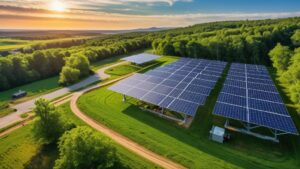
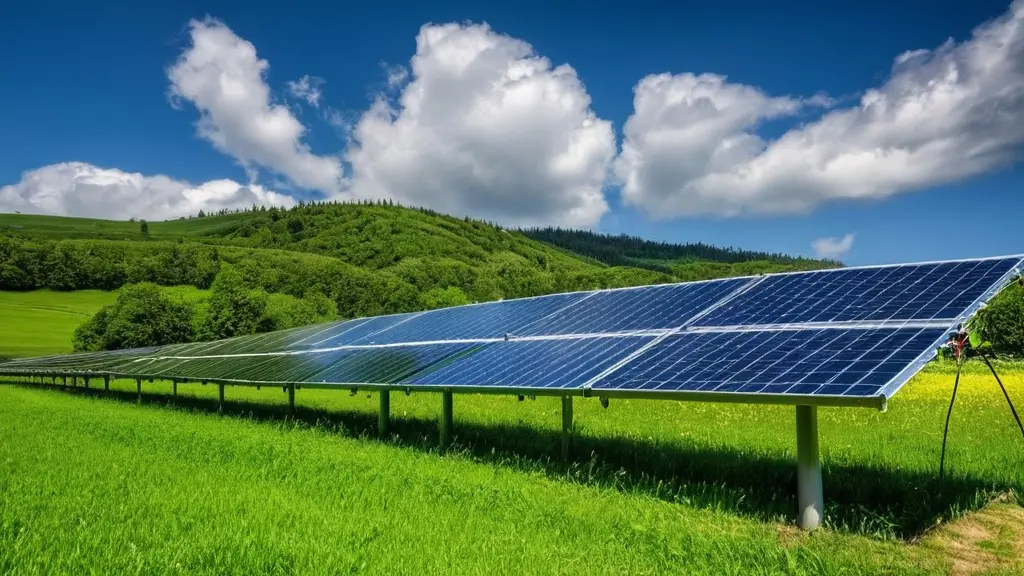
Solar power stands out as one of the most accessible and rapidly deployable forms of renewable energy. Its advantages extend beyond just being a clean source of electricity; it also offers significant economic benefits and technological advancements that facilitate its integration into the power grid. One of the primary advantages of solar power is its scalability.
Solar installations can range from small residential systems to large utility-scale solar farms, making it adaptable to various settings and needs. This flexibility allows for widespread adoption across different regions, contributing to a more diversified energy portfolio. Additionally, advancements in photovoltaic technology have led to increased efficiency and reduced costs for solar panels.
The levelized cost of electricity (LCOE) from solar has plummeted over the past decade, making it one of the most cost-effective sources of new electricity generation in many parts of the world. This economic viability encourages investment in solar infrastructure, further driving down costs through economies of scale. Furthermore, when paired with ESS, solar power can provide a reliable source of energy even during periods of low sunlight.
By storing excess energy generated during peak sunlight hours, solar installations can ensure that electricity is available when demand is high or when other renewable sources are not producing.
The Role of Energy Storage Systems in Stabilizing Renewable Energy Sources
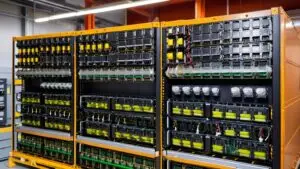
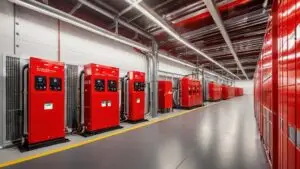
Energy storage systems play a pivotal role in stabilizing renewable energy sources by addressing their inherent intermittency. These systems can take various forms, including batteries, pumped hydro storage, compressed air storage, and thermal storage. Each technology has its unique advantages and applications depending on the specific requirements of the grid and the characteristics of the renewable sources being integrated.
For instance, lithium-ion batteries are widely used for their rapid response times and efficiency in storing short-term fluctuations in energy supply and demand. The ability of ESS to provide ancillary services such as frequency regulation and voltage support further enhances grid stability. By quickly discharging stored energy during sudden drops in generation or spikes in demand, these systems help maintain the balance between supply and demand, which is crucial for preventing blackouts or grid failures.
Moreover, ESS can facilitate the integration of larger shares of renewables into the grid by smoothing out fluctuations in generation caused by changing weather conditions. This capability not only enhances reliability but also allows grid operators to manage resources more effectively, ultimately leading to a more resilient energy system.
Overcoming the Challenges of Renewable Energy Integration with ESS
Despite the clear benefits of integrating renewable energy with ESS, several challenges must be addressed to realize this potential fully. One significant hurdle is the high upfront cost associated with deploying advanced storage technologies. While prices for batteries have decreased significantly over recent years, large-scale deployment still requires substantial investment from both public and private sectors.
Additionally, the economic viability of ESS depends on regulatory frameworks that incentivize their use and support innovative business models. Another challenge lies in the technical integration of ESS into existing grid infrastructure. Many power grids were designed around centralized fossil fuel generation and may not be equipped to handle the complexities introduced by distributed renewable generation and storage systems.
Upgrading grid infrastructure to accommodate these changes requires careful planning and coordination among various stakeholders, including utilities, regulators, and technology providers. Furthermore, there is a need for standardized protocols and interoperability among different storage technologies to ensure seamless integration into the grid.
The Impact of ESS on Uninterrupted Power Supply

The implementation of energy storage systems has a profound impact on ensuring an uninterrupted power supply in an increasingly renewable-dominated energy landscape. By acting as a buffer between supply and demand, ESS can mitigate the effects of variability associated with renewable sources like wind and solar. For example, during periods when renewable generation exceeds demand—such as sunny afternoons—ESS can store excess electricity for later use during peak demand times or when generation is low.
This capability not only enhances reliability but also provides economic benefits by reducing the need for peaking power plants that typically run on fossil fuels. By displacing these less efficient plants with stored renewable energy, utilities can lower operational costs while simultaneously reducing greenhouse gas emissions. Furthermore, ESS can provide backup power during outages or emergencies, ensuring that critical services remain operational even when the grid experiences disruptions.
This resilience is particularly important in regions prone to extreme weather events or natural disasters where traditional power infrastructure may be compromised.
The Future of Renewable Energy Integration with ESS
Looking ahead, the future of renewable energy integration with ESS appears promising as technological advancements continue to evolve rapidly. Innovations in battery technology are paving the way for more efficient and cost-effective storage solutions that can meet diverse energy needs across various sectors. For instance, solid-state batteries are being developed to offer higher energy densities and improved safety compared to traditional lithium-ion batteries.
These advancements could significantly enhance the performance and longevity of ESS while reducing costs further. Moreover, as smart grid technologies become more prevalent, they will enable better management of distributed energy resources (DERs), including both renewable generation and storage systems. Smart grids facilitate real-time monitoring and control over electricity flows, allowing for more dynamic responses to changes in supply and demand.
This capability will be crucial for optimizing the use of ESS alongside renewables, ensuring that stored energy is dispatched efficiently when needed most. As regulatory frameworks evolve to support these innovations, we can expect an accelerated transition towards a more integrated and sustainable energy future.
Case Studies: Successful Integration of Solar Power with ESS
Several case studies around the globe illustrate successful integration of solar power with energy storage systems, showcasing innovative approaches to overcoming challenges associated with renewable energy deployment. One notable example is the Hornsdale Power Reserve in South Australia, which features one of the largest lithium-ion battery installations in the world. This facility was developed by Tesla in collaboration with local utility companies to provide grid stability services while integrating significant amounts of wind and solar power into the region’s electricity supply.
Another compelling case is found in California’s numerous solar-plus-storage projects that have emerged in recent years due to supportive policies and incentives from state regulators. These projects demonstrate how combining solar generation with battery storage can effectively address peak demand challenges while providing ancillary services to enhance grid reliability. For instance, Pacific Gas and Electric (PG&E) has implemented several large-scale battery storage projects alongside solar farms to ensure that excess solar generation can be utilized during evening hours when demand typically peaks.
The Role of Government Policies in Promoting Renewable Energy Integration with ESS
Government policies play a crucial role in promoting the integration of renewable energy with reliable energy storage systems by creating an enabling environment for investment and innovation. Incentives such as tax credits, grants, and subsidies can significantly lower barriers to entry for developers looking to deploy renewable projects combined with ESS technologies. For example, many countries have implemented feed-in tariffs or power purchase agreements (PPAs) that guarantee fixed prices for electricity generated from renewables over a specified period.
Additionally, regulatory frameworks that support net metering allow consumers who generate their own solar power to receive credit for excess electricity fed back into the grid. This not only encourages residential adoption of solar but also promotes investment in battery storage solutions that enable homeowners to maximize their self-consumption capabilities. Furthermore, governments can facilitate research and development initiatives aimed at advancing storage technologies while fostering collaboration between public institutions and private companies to drive innovation forward.
The Role of Technology in Enhancing Renewable Energy Integration with ESS
Technological advancements are at the forefront of enhancing renewable energy integration with ESS by improving efficiency, reliability, and scalability across various applications. Innovations such as artificial intelligence (AI) and machine learning algorithms are being employed to optimize energy management systems that control how stored energy is dispatched based on real-time data analysis. These technologies enable predictive modeling that anticipates fluctuations in both renewable generation and consumer demand patterns.
Moreover, advancements in materials science are leading to breakthroughs in battery technology that promise longer lifespans and faster charging capabilities. For instance, research into flow batteries offers potential solutions for large-scale storage applications due to their scalability and ability to discharge over extended periods without significant degradation. As these technologies continue to evolve alongside improvements in grid infrastructure and smart grid capabilities, they will play an essential role in facilitating seamless integration between renewable sources and storage systems.
The Economic and Environmental Benefits of Integrating Renewable Energy with Reliable ESS
Integrating renewable energy with reliable energy storage systems yields substantial economic and environmental benefits that extend beyond immediate cost savings on electricity bills. Economically, this integration reduces reliance on fossil fuels while promoting job creation within emerging sectors related to clean technology development and deployment. As investments flow into renewable projects combined with ESS solutions, local economies benefit from increased employment opportunities across manufacturing, installation, maintenance services, and research initiatives.
Environmentally speaking, this integration contributes significantly towards achieving global climate goals by reducing greenhouse gas emissions associated with traditional fossil fuel-based power generation methods. By harnessing clean sources like solar or wind alongside efficient storage solutions capable of displacing carbon-intensive peaking plants during high-demand periods—communities can transition towards sustainable practices while mitigating adverse impacts on air quality and public health associated with pollution from conventional power sources. In conclusion, integrating renewable energy with reliable energy storage systems represents a transformative approach towards achieving uninterrupted power supply while addressing pressing environmental challenges faced globally today—ultimately paving pathways towards sustainable futures powered by clean technologies.
FAQs
What is renewable energy?
Renewable energy is energy that is collected from renewable resources, which are naturally replenished on a human timescale, such as sunlight, wind, rain, tides, waves, and geothermal heat.
What are the benefits of integrating renewable energy with reliable energy storage systems (ESS)?
Integrating renewable energy with reliable ESS allows for uninterrupted power supply, reduces reliance on fossil fuels, lowers greenhouse gas emissions, and promotes energy independence and security.
What are some examples of reliable energy storage systems (ESS)?
Examples of reliable ESS include lithium-ion batteries, flow batteries, pumped hydro storage, and compressed air energy storage.
How does integrating renewable energy with reliable ESS contribute to grid stability?
Integrating renewable energy with reliable ESS helps to stabilize the grid by providing a consistent and reliable source of power, reducing the impact of intermittent renewable energy sources, and enhancing grid resilience.
What are some challenges associated with integrating renewable energy with reliable ESS?
Challenges include high initial costs, limited energy storage capacity, and the need for advanced technologies to optimize the integration of renewable energy with reliable ESS.