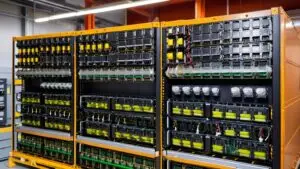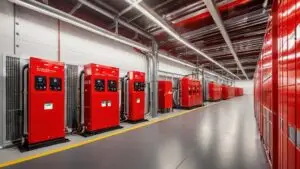
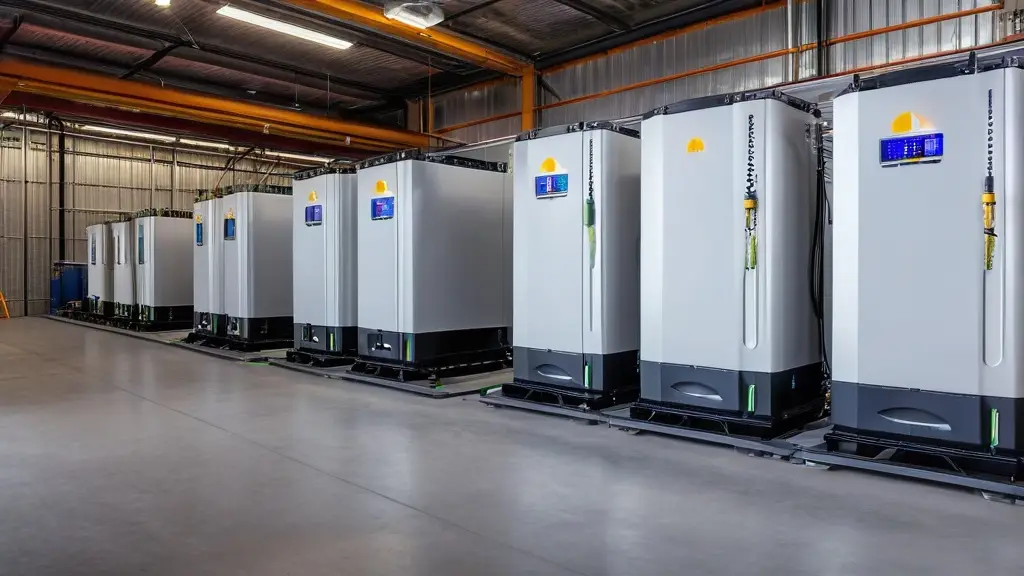
Energy Storage Systems (ESS) have emerged as a pivotal component in the modern energy landscape, driven by the increasing demand for renewable energy sources and the need for grid stability. As the world transitions from fossil fuels to cleaner energy alternatives, the ability to store energy efficiently becomes crucial. ESS allows for the capture and storage of energy generated during periods of low demand or high production, enabling its use during peak demand times or when generation is low.
This capability not only enhances energy reliability but also supports the integration of intermittent renewable sources like solar and wind into the energy mix. The significance of ESS extends beyond mere energy storage; it plays a vital role in enhancing grid resilience, reducing energy costs, and facilitating the transition to a sustainable energy future. By storing excess energy generated from renewable sources, ESS can mitigate the fluctuations associated with these technologies, ensuring a steady supply of electricity.
Furthermore, advancements in technology have led to a diverse range of energy storage solutions, catering to various applications from residential setups to large-scale commercial installations. As we delve deeper into the components and functionalities of ESS, it becomes evident that understanding these systems is essential for harnessing their full potential.
Key Takeaways
- Energy storage systems (ESS) play a crucial role in storing and managing energy for various applications.
- Batteries are essential components of ESS, providing the ability to store and release energy as needed.
- Inverters are important for converting DC power from batteries into AC power for use in homes and businesses.
- Battery Management Systems (BMS) are critical for monitoring and controlling battery performance in ESS.
- Choosing the right battery technology is key to optimizing the performance and efficiency of an energy storage system.
Understanding the Role of Batteries in Energy Storage Systems
Batteries are the heart of Energy Storage Systems, serving as the primary medium for storing electrical energy. They function by converting electrical energy into chemical energy during charging and then reversing this process during discharging to release electricity when needed. The choice of battery technology significantly influences the performance, efficiency, and lifespan of an ESS.
Common types of batteries used in these systems include lithium-ion, lead-acid, flow batteries, and newer technologies like solid-state batteries. Each type has its unique characteristics, advantages, and limitations that make them suitable for specific applications. Lithium-ion batteries have gained immense popularity due to their high energy density, longer cycle life, and decreasing costs.
They are widely used in residential solar storage systems and electric vehicles. In contrast, lead-acid batteries, while more affordable upfront, have a shorter lifespan and lower efficiency compared to their lithium counterparts. Flow batteries offer scalability and long-duration storage capabilities, making them ideal for large-scale applications.
Understanding these differences is crucial for selecting the appropriate battery technology that aligns with specific energy storage needs and operational requirements.
The Importance of Inverters in Energy Storage Systems

Inverters play a critical role in Energy Storage Systems by converting direct current (DC) electricity stored in batteries into alternating current (AC) electricity, which is the standard form used by most household appliances and the electrical grid. This conversion is essential because while batteries store energy in DC form, the majority of electrical devices and grid infrastructure operate on AC power. The efficiency and reliability of an inverter can significantly impact the overall performance of an ESS.
Modern inverters are equipped with advanced features such as maximum power point tracking (MPPT), which optimizes the energy harvested from solar panels before it is stored in batteries. Additionally, inverters can manage the flow of electricity between the grid, batteries, and connected loads, ensuring that energy is used efficiently. Some inverters also provide grid support functions, such as frequency regulation and voltage support, which enhance grid stability.
As technology advances, inverters are becoming smarter and more integrated with energy management systems, allowing for real-time monitoring and control of energy flows within an ESS.
Exploring the Function of Battery Management Systems (BMS) in Energy Storage Systems
Battery Management Systems (BMS) are integral to the safe and efficient operation of Energy Storage Systems. A BMS monitors individual battery cells within a pack to ensure they operate within safe voltage and temperature ranges. This monitoring is crucial because imbalances between cells can lead to reduced performance, shortened lifespan, or even catastrophic failures such as thermal runaway.
By managing these parameters, a BMS helps maintain optimal performance and prolongs the life of the battery system. In addition to monitoring, a BMS also performs critical functions such as state-of-charge (SOC) estimation and state-of-health (SOH) assessment. SOC indicates how much charge is left in a battery, while SOH provides insights into the overall condition and longevity of the battery pack.
Advanced BMS solutions can communicate with other components of an ESS, such as inverters and energy management systems, to optimize charging and discharging cycles based on real-time data. This integration enhances the overall efficiency of the system and ensures that energy is utilized effectively.
Choosing the Right Battery Technology for Your Energy Storage System
Selecting the appropriate battery technology for an Energy Storage System involves careful consideration of various factors including application requirements, budget constraints, space availability, and desired performance characteristics. Lithium-ion batteries are often favored for residential applications due to their compact size, high efficiency, and long cycle life. However, they come with a higher initial cost compared to traditional lead-acid batteries.
For commercial applications where larger capacities are needed over extended periods, flow batteries may be more suitable despite their bulkier design. They offer scalability and can be charged and discharged over longer durations without significant degradation. Additionally, emerging technologies such as solid-state batteries promise higher energy densities and improved safety profiles but are still in developmental stages for widespread commercial use.
Evaluating these options requires a thorough understanding of each technology’s strengths and weaknesses in relation to specific use cases.
How Inverters Convert DC Power to AC Power in Energy Storage Systems

The conversion process from DC to AC power is a fundamental function performed by inverters within Energy Storage Systems. When energy is stored in batteries as DC power, it cannot be directly used by most household appliances or fed into the electrical grid without conversion. Inverters facilitate this transformation through a process that involves several stages: first, they take the DC input from the battery; then they use electronic circuits to switch this current on and off rapidly; finally, they shape this pulsed output into a smooth AC waveform.
The quality of this conversion process is paramount; it affects not only the efficiency of power delivery but also the compatibility with connected devices. High-quality inverters produce a sine wave output that closely resembles utility-supplied AC power, ensuring that sensitive electronics operate correctly without distortion or interference. Moreover, advanced inverter technologies incorporate features like grid-tie capabilities that allow excess power generated from renewable sources to be fed back into the grid while maintaining synchronization with grid frequency.
The Role of BMS in Monitoring and Controlling Battery Performance
The Battery Management System (BMS) serves as the brain behind battery operation within Energy Storage Systems by continuously monitoring key parameters that influence battery performance. It tracks voltage levels across individual cells to prevent overcharging or deep discharging—conditions that can lead to reduced capacity or permanent damage. Temperature monitoring is equally important; excessive heat can accelerate degradation processes within batteries, while cold temperatures can hinder performance.
In addition to monitoring functions, a BMS also plays a proactive role in controlling battery performance through algorithms that manage charging cycles based on real-time data. For instance, it can adjust charging rates depending on ambient temperature or SOC levels to optimize battery health. Some advanced BMS solutions even incorporate predictive analytics to forecast potential issues before they arise, allowing for timely maintenance or intervention strategies that enhance system reliability.
Integrating Solar Panels with Energy Storage Systems
The integration of solar panels with Energy Storage Systems represents a significant advancement in renewable energy utilization. By combining these technologies, homeowners and businesses can harness solar energy during peak sunlight hours and store it for use during periods of low generation or high demand. This synergy not only maximizes self-consumption but also reduces reliance on grid electricity, leading to lower utility bills.
When solar panels generate electricity during daylight hours, an inverter converts this DC power into AC power for immediate use or directs it to charge the batteries within an ESS. During times when solar generation is insufficient—such as at night or on cloudy days—the stored energy can be drawn from the batteries to power homes or businesses seamlessly. This integration also allows for participation in demand response programs where users can sell excess stored energy back to the grid during peak demand periods, further enhancing economic benefits.
Maximizing the Efficiency of Energy Storage Systems through Proper Maintenance
To ensure optimal performance and longevity of Energy Storage Systems, regular maintenance is essential. This includes routine inspections of battery health through BMS diagnostics to identify any potential issues early on. Cleaning connections and terminals helps prevent corrosion that could impede electrical flow while checking for any signs of physical damage ensures that safety standards are upheld.
Additionally, software updates for both BMS and inverter systems should not be overlooked; manufacturers often release updates that improve efficiency or add new features based on user feedback or technological advancements. Implementing a proactive maintenance schedule not only enhances system reliability but also maximizes return on investment by extending the operational lifespan of both batteries and associated components.
Exploring the Different Types of Energy Storage Systems for Residential and Commercial Use
Energy Storage Systems come in various forms tailored to meet diverse needs across residential and commercial sectors. For residential applications, smaller-scale systems typically utilize lithium-ion or lead-acid batteries due to their compact size and ease of installation. These systems are designed to integrate seamlessly with home solar installations or serve as backup power sources during outages.
In contrast, commercial applications often require larger-scale solutions capable of handling significant loads over extended periods. Technologies such as flow batteries or large lithium-ion installations are common in these settings due to their scalability and ability to provide long-duration storage solutions. Additionally, some businesses may opt for hybrid systems that combine different technologies—such as integrating thermal storage with traditional battery systems—to optimize performance based on specific operational requirements.
The Future of Energy Storage Systems and Their Impact on the Energy Industry
As we look toward the future of Energy Storage Systems, it is clear that they will play an increasingly vital role in shaping the global energy landscape. With ongoing advancements in battery technology, inverter capabilities, and management systems, ESS will become more efficient, cost-effective, and accessible than ever before. The integration of artificial intelligence and machine learning into BMS will further enhance predictive maintenance capabilities and optimize energy usage patterns.
The impact on the energy industry will be profound; as more consumers adopt ESS alongside renewable generation sources like solar and wind, we will witness a shift toward decentralized energy models that empower individuals and communities to take control of their energy consumption. This transition not only supports sustainability goals but also fosters resilience against climate change impacts by reducing reliance on fossil fuels and enhancing grid stability through distributed generation resources. The future holds immense potential for Energy Storage Systems as they become integral components of a cleaner, more sustainable energy ecosystem.
FAQs
What are the key components in an energy storage system?
An energy storage system typically consists of three main components: the energy storage device (such as a battery), the power conversion system, and the energy management system.
What is the role of the energy storage device in an energy storage system?
The energy storage device, often a battery, is responsible for storing electrical energy for later use. It allows for the storage of excess energy generated during periods of low demand, which can then be used during peak demand periods.
What is the power conversion system in an energy storage system used for?
The power conversion system is responsible for converting the electrical energy stored in the energy storage device into a form that can be used by the end user. It also ensures that the energy is delivered at the appropriate voltage and frequency.
What is the function of the energy management system in an energy storage system?
The energy management system is responsible for monitoring and controlling the flow of energy within the storage system. It helps optimize the performance of the system by managing charging and discharging cycles, as well as ensuring the overall efficiency of the system.