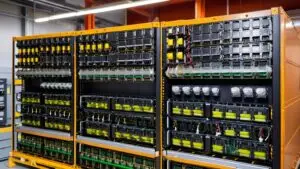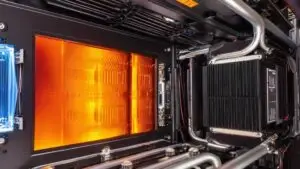
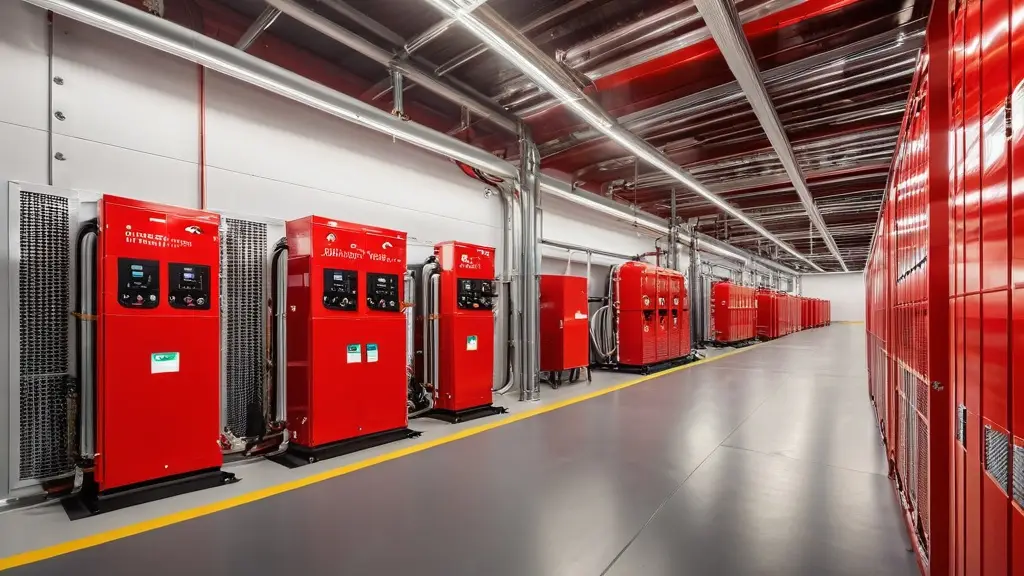
Energy Storage Systems (ESS) have emerged as a critical component in the transition to renewable energy sources, enabling the efficient storage and management of electricity generated from intermittent sources like solar and wind. As the deployment of these systems increases, so does the need for robust fire protection measures. The inherent risks associated with energy storage technologies, particularly lithium-ion batteries, necessitate a comprehensive understanding of fire hazards and the implementation of effective fire protection strategies.
Fire incidents can not only lead to significant financial losses but also pose serious safety risks to personnel and surrounding communities. Therefore, the integration of advanced fire protection systems is essential to ensure the safe operation of ESS. The complexity of ESS, which often involves large-scale battery installations, requires a multifaceted approach to fire safety.
This includes not only the physical design of the storage facilities but also the incorporation of advanced detection and suppression technologies. As the industry evolves, so too must the strategies employed to mitigate fire risks. This article delves into various aspects of fire protection for energy storage systems, exploring advancements in technology, regulatory frameworks, and best practices that are shaping the future of fire safety in this critical sector.
Key Takeaways
- Fire protection is crucial for energy storage systems (ESS) to ensure safety and prevent potential disasters.
- Advancements in smoke detection technology have improved early fire detection in ESS, enhancing overall fire protection.
- Aerosol suppressants play a significant role in ESS fire protection by quickly suppressing fires and minimizing damage.
- Integration of fire protection systems in energy storage facilities is essential for comprehensive fire safety measures.
- Innovations in fire suppression for lithium-ion batteries are continuously evolving to address specific fire risks associated with this technology.
Importance of Fire Protection for Energy Storage Systems
The importance of fire protection in energy storage systems cannot be overstated. With the rapid growth of renewable energy technologies, ESS installations are becoming more prevalent in urban and rural settings alike. These systems often contain large quantities of energy-dense materials, particularly lithium-ion batteries, which are known for their potential to catch fire or explode under certain conditions.
The consequences of a fire incident can be catastrophic, leading to loss of life, environmental damage, and significant economic repercussions. Therefore, implementing effective fire protection measures is not just a regulatory requirement; it is a moral imperative for operators and stakeholders in the energy sector. Moreover, the increasing scale and complexity of ESS installations present unique challenges for fire safety.
Traditional fire protection methods may not be sufficient to address the specific risks associated with these systems. For instance, the thermal runaway phenomenon in lithium-ion batteries can lead to rapid temperature increases and subsequent fires that are difficult to control. As such, it is crucial for facility operators to adopt a proactive approach to fire safety that includes regular risk assessments, employee training, and the integration of state-of-the-art fire detection and suppression technologies.
By prioritizing fire protection, stakeholders can enhance the resilience of energy storage systems and contribute to a safer energy landscape.
Advancements in Smoke Detection Technology for ESS

Recent advancements in smoke detection technology have significantly improved the ability to identify potential fire hazards in energy storage systems. Traditional smoke detectors may not be suitable for environments with high levels of dust or other particulates that can interfere with their operation. As a result, new technologies have emerged that utilize advanced sensing mechanisms to enhance detection capabilities.
For example, photoelectric smoke detectors are increasingly being used in ESS facilities due to their ability to detect smoldering fires more effectively than ionization detectors. In addition to traditional smoke detection methods, innovative technologies such as multi-sensor detectors are gaining traction in the industry. These devices combine multiple sensing technologies—such as heat detection, carbon monoxide detection, and smoke detection—into a single unit.
This multi-faceted approach allows for more accurate identification of fire conditions and reduces the likelihood of false alarms. Furthermore, advancements in artificial intelligence (AI) and machine learning are enabling predictive analytics that can assess real-time data from various sensors within an ESS facility. By analyzing patterns and anomalies, these systems can provide early warnings of potential fire risks, allowing for timely intervention before a situation escalates.
The Role of Aerosol Suppressants in ESS Fire Protection
Aerosol suppressants have emerged as a promising solution for enhancing fire protection in energy storage systems. Unlike traditional water-based suppression systems that may not be effective against certain types of fires—such as those involving flammable liquids or electrical equipment—aerosol suppressants work by releasing fine particles that interrupt the combustion process. These agents can quickly reduce heat and prevent flames from spreading, making them particularly useful in environments where rapid response is critical.
One notable advantage of aerosol suppressants is their versatility; they can be deployed in various configurations, including fixed installations or portable units that can be moved as needed. This flexibility allows facility operators to tailor their fire protection strategies based on specific risks associated with different areas within an ESS facility. Additionally, aerosol suppressants are often more environmentally friendly than traditional chemical agents, as they typically contain fewer harmful substances.
As regulations around environmental impact become increasingly stringent, the adoption of aerosol suppression technology may become a preferred choice for many energy storage operators.
Integration of Fire Protection Systems in Energy Storage Facilities
The integration of comprehensive fire protection systems within energy storage facilities is essential for mitigating risks associated with fire hazards. This integration involves not only the installation of detection and suppression technologies but also the development of a cohesive strategy that encompasses all aspects of fire safety management. Effective integration requires collaboration among various stakeholders, including facility designers, engineers, safety personnel, and emergency responders.
A well-designed fire protection system should include multiple layers of defense, starting with early detection mechanisms that can identify potential hazards before they escalate into full-blown emergencies. Once a threat is detected, suppression systems must be activated promptly to contain or extinguish the fire. Furthermore, facilities should incorporate robust evacuation plans and training programs for personnel to ensure that everyone is prepared to respond effectively in case of an emergency.
By fostering a culture of safety and preparedness, energy storage operators can significantly reduce the likelihood of fire incidents and enhance overall operational resilience.
Innovations in Fire Suppression for Lithium-ion Batteries

Lithium-ion batteries are at the forefront of energy storage technology but also present unique challenges when it comes to fire suppression. Traditional water-based suppression methods may not be effective against lithium-ion battery fires due to the risk of re-ignition and thermal runaway. As a result, researchers and engineers are exploring innovative suppression techniques specifically designed for these types of fires.
One promising approach involves the use of specialized foam agents that can effectively smother lithium-ion battery fires while minimizing water damage. These foams create a barrier between the fuel source and oxygen, effectively starving the fire and preventing it from spreading. Additionally, some companies are developing advanced thermal management systems that can actively cool batteries during operation, reducing the risk of overheating and subsequent fires.
These innovations represent a significant step forward in enhancing fire safety for lithium-ion batteries and demonstrate the industry’s commitment to addressing emerging challenges.
Fire Safety Regulations and Standards for Energy Storage Systems
The regulatory landscape surrounding fire safety for energy storage systems is continually evolving as governments and industry organizations recognize the importance of addressing fire hazards associated with these technologies. Various standards have been developed to guide facility operators in implementing effective fire protection measures. For instance, organizations such as the National Fire Protection Association (NFPA) have established guidelines specifically tailored for battery energy storage systems.
Compliance with these regulations is crucial not only for ensuring safety but also for maintaining public trust in energy storage technologies. Regulatory frameworks often require regular inspections and maintenance of fire protection systems to ensure they remain effective over time. Additionally, operators must stay informed about changes in regulations and best practices to adapt their strategies accordingly.
By adhering to established standards and actively participating in industry discussions around fire safety, energy storage operators can contribute to a safer operational environment while also positioning themselves as responsible stewards of public safety.
Case Studies of Successful ESS Fire Protection Implementations
Examining case studies of successful fire protection implementations within energy storage systems provides valuable insights into best practices and lessons learned from real-world experiences. One notable example is a large-scale lithium-ion battery installation in California that faced significant fire risks due to its proximity to residential areas. The facility implemented a comprehensive fire protection strategy that included advanced smoke detection systems, automated suppression technologies, and rigorous employee training programs.
As part of this strategy, the facility conducted regular risk assessments to identify potential vulnerabilities and adapt their fire protection measures accordingly. When a small fire incident occurred during testing operations, the integrated detection and suppression systems activated promptly, containing the situation before it escalated into a larger emergency. This incident underscored the effectiveness of proactive planning and highlighted the importance of continuous improvement in fire safety protocols.
Another case study involves an energy storage facility in Europe that adopted innovative thermal management solutions alongside traditional fire suppression methods. By integrating advanced cooling technologies into their battery management system, operators were able to significantly reduce the risk of thermal runaway events while also enhancing overall system performance. This proactive approach not only improved safety outcomes but also demonstrated how innovation can drive efficiency within energy storage operations.
Challenges and Future Trends in ESS Fire Protection
Despite advancements in technology and regulatory frameworks, several challenges remain in ensuring effective fire protection for energy storage systems. One significant challenge is the rapid pace at which new technologies are being developed and deployed within the industry. As battery chemistries evolve and new energy storage solutions emerge, existing fire protection measures may need to be reevaluated and updated accordingly.
Additionally, there is often a lack of standardized testing protocols for new fire suppression agents or technologies specifically designed for energy storage applications. This gap can hinder widespread adoption and create uncertainty among facility operators regarding which solutions will be most effective in mitigating risks associated with their specific installations. Looking ahead, future trends in ESS fire protection are likely to focus on increased automation and integration with smart grid technologies.
As energy storage systems become more interconnected with broader energy management frameworks, real-time data analytics will play an increasingly important role in identifying potential hazards and optimizing response strategies. Furthermore, ongoing research into alternative battery chemistries may yield safer options that inherently reduce fire risks while maintaining performance standards.
Training and Education for ESS Fire Protection Personnel
Training and education are critical components of any effective fire protection strategy within energy storage systems. Personnel must be equipped with the knowledge and skills necessary to recognize potential hazards, respond appropriately during emergencies, and maintain compliance with regulatory requirements. Comprehensive training programs should encompass various aspects of fire safety management, including risk assessment methodologies, operation protocols for detection and suppression systems, and emergency response procedures.
Moreover, ongoing education is essential as new technologies emerge and regulations evolve within the industry. Facility operators should prioritize continuous professional development opportunities for their staff to ensure they remain informed about best practices in fire safety management. Collaborating with industry organizations or participating in workshops can provide valuable insights into emerging trends while fostering a culture of safety within organizations.
By investing in training initiatives that emphasize both theoretical knowledge and practical skills development, energy storage operators can enhance their overall preparedness for potential fire incidents while also promoting a proactive approach to risk management.
The Future of Fire Protection for Energy Storage Systems
As energy storage systems continue to play an increasingly vital role in our transition toward sustainable energy solutions, ensuring robust fire protection measures will remain paramount. The ongoing evolution of technology presents both challenges and opportunities for enhancing safety protocols within this sector. By embracing innovative approaches—ranging from advanced detection technologies to novel suppression agents—stakeholders can significantly mitigate risks associated with fires while promoting operational resilience.
Furthermore, collaboration among industry players will be essential in driving forward best practices around fire safety management within energy storage facilities. As we look toward the future, it is clear that prioritizing comprehensive training programs alongside adherence to evolving regulations will be key components in fostering a safer environment for both personnel and communities surrounding these critical infrastructures. In summary, while challenges persist within this rapidly evolving landscape, proactive engagement with emerging trends will empower stakeholders across all levels—from facility operators to regulatory bodies—to navigate complexities effectively while ensuring safe operations within energy storage systems.
FAQs
What are energy storage systems?
Energy storage systems are devices or systems that store energy for later use. They are used to store energy during times of low demand and release it during times of high demand.
Why are advancements in fire protection important for energy storage systems?
Advancements in fire protection for energy storage systems are important because these systems can pose a fire risk due to the high energy density and potential for thermal runaway. It is crucial to have effective fire protection measures in place to prevent and mitigate the impact of fires in energy storage systems.
What are some advancements in fire protection for energy storage systems?
Advancements in fire protection for energy storage systems include the development of fire-resistant materials, advanced fire detection and suppression systems, and improved thermal management to prevent overheating.
How do fire-resistant materials improve fire protection for energy storage systems?
Fire-resistant materials are designed to withstand high temperatures and prevent the spread of fires. Using these materials in the construction of energy storage systems can help contain fires and reduce the risk of catastrophic events.
What role do advanced fire detection and suppression systems play in protecting energy storage systems?
Advanced fire detection and suppression systems use cutting-edge technology to quickly detect and extinguish fires in energy storage systems. These systems can help minimize the spread of fires and reduce the potential for damage.
How does improved thermal management contribute to fire protection for energy storage systems?
Improved thermal management helps regulate the temperature within energy storage systems, reducing the risk of overheating and thermal runaway, which can lead to fires. By effectively managing heat, the risk of fire can be significantly reduced.