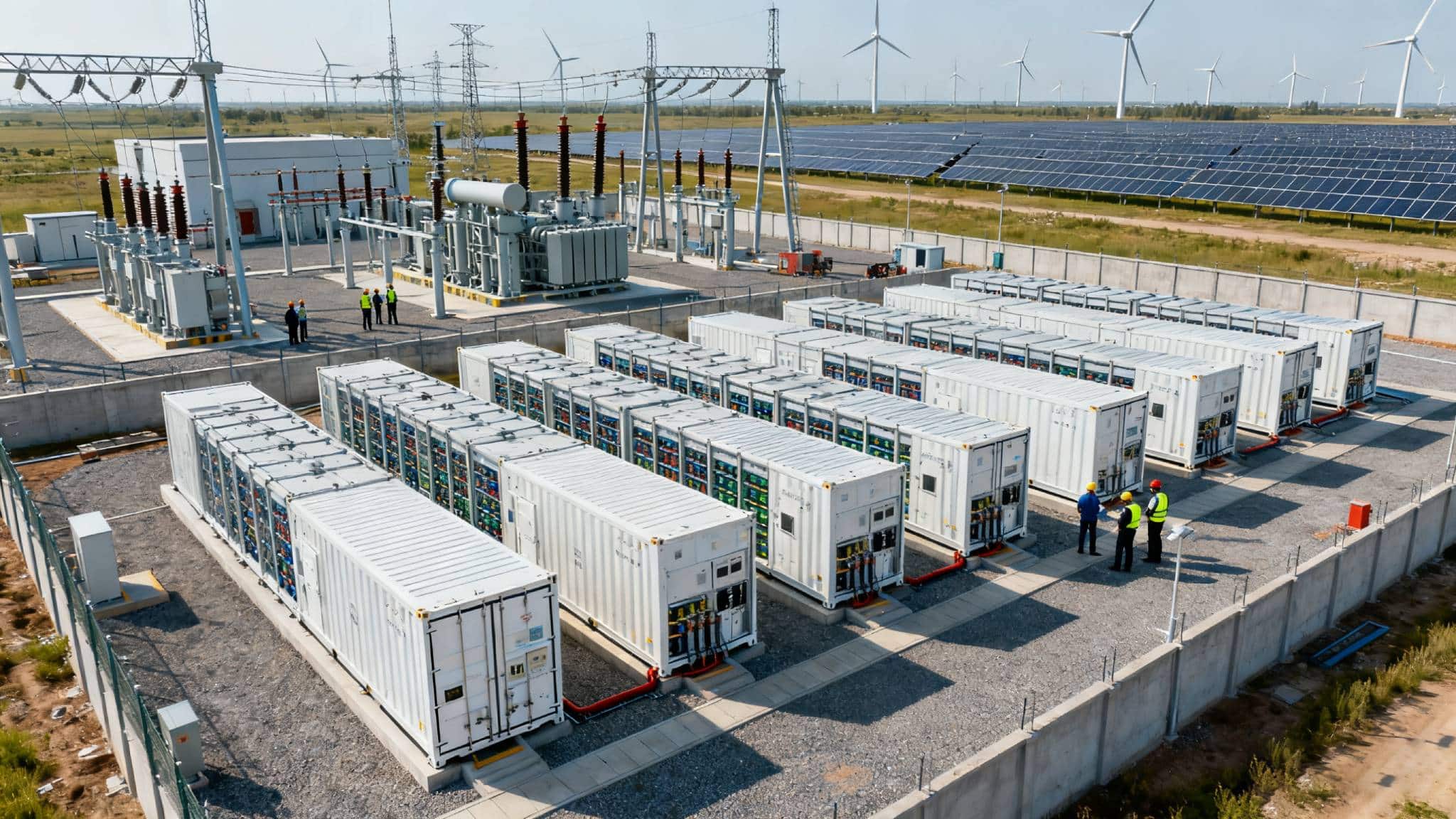
Grid-scale storage has emerged as a pivotal component in the modern energy landscape, particularly as the world transitions towards renewable energy sources. The increasing integration of intermittent energy sources, such as solar and wind, necessitates robust storage solutions that can balance supply and demand effectively. Grid-scale storage systems are designed to store large amounts of energy generated during periods of low demand and release it during peak consumption times.
This capability not only enhances the reliability of power supply but also facilitates the integration of renewable energy into the grid, thereby reducing reliance on fossil fuels and contributing to a more sustainable energy future. The technology behind grid-scale storage has evolved significantly over the past decade, with various solutions being deployed across the globe. These include lithium-ion batteries, pumped hydro storage, compressed air energy storage, and more recently, emerging technologies like flow batteries and solid-state batteries.
Each of these technologies offers unique advantages and challenges, making it essential for energy planners and utility companies to evaluate their specific needs and regional characteristics when selecting a storage solution. As the demand for clean energy continues to rise, grid-scale storage will play an increasingly critical role in ensuring that energy systems remain resilient and capable of meeting the needs of consumers.
Key Takeaways
- Grid-scale storage plays a crucial role in ensuring reliable and stable power supply in regional energy systems.
- Utility projects are essential for maintaining power stability in a region, especially during peak demand periods and in the event of grid disruptions.
- Sinopak Farich’s approach to grid-scale storage involves innovative technology and strategic partnerships to address regional power stability challenges.
- Implementing a 50MWh grid-scale storage project presents challenges such as cost, technology integration, and regulatory hurdles, which can be overcome with careful planning and collaboration.
- Sinopak Farich’s grid-scale storage initiative has had a significant impact on regional power stability, demonstrating the potential for similar projects to enhance energy security and resilience in other regions.
The Role of Utility Projects in Regional Power Stability
Utility projects that incorporate grid-scale storage are instrumental in enhancing regional power stability. These projects serve as a buffer against fluctuations in energy supply and demand, which can be particularly pronounced in areas heavily reliant on renewable energy sources. For instance, during periods of high solar generation, excess energy can be stored for later use, mitigating the risk of overloading the grid.
Conversely, during times of low generation—such as cloudy days or calm weather—stored energy can be dispatched to maintain a steady power supply. This dynamic capability is crucial for preventing blackouts and ensuring that consumers have access to reliable electricity. Moreover, utility projects that integrate grid-scale storage can also provide ancillary services to the grid, such as frequency regulation and voltage support.
These services are essential for maintaining the stability of the electrical grid, especially as more variable renewable energy sources are added to the mix. By participating in these ancillary markets, utility projects can not only enhance regional power stability but also create additional revenue streams that can help offset the costs of storage implementation. This dual benefit underscores the importance of grid-scale storage in modern utility planning and highlights its potential to transform how electricity is generated, stored, and consumed.
Sinopak Farich’s Approach to Grid-Scale Storage

Sinopak Farich has emerged as a leader in the field of grid-scale storage solutions, leveraging innovative technologies and strategic partnerships to develop projects that enhance regional power stability. The company’s approach is characterized by a commitment to sustainability and efficiency, focusing on integrating advanced battery technologies with existing grid infrastructure. By utilizing high-capacity lithium-ion batteries, Sinopak Farich is able to provide rapid response times and high energy density, making their storage solutions particularly effective for balancing intermittent renewable energy sources.
In addition to technological innovation, Sinopak Farich emphasizes collaboration with local utilities and government agencies to ensure that their projects align with regional energy goals. This collaborative approach allows for a more tailored implementation strategy that considers local energy needs, regulatory frameworks, and environmental impacts. For example, in one of their flagship projects, Sinopak Farich worked closely with local stakeholders to design a grid-scale storage system that not only meets current demand but also anticipates future growth in renewable energy generation.
This foresight is critical in creating a resilient energy infrastructure that can adapt to changing conditions over time.
Challenges and Solutions in Implementing a 50MWh Grid-Scale Storage Project
Implementing a 50MWh grid-scale storage project presents a range of challenges that must be addressed to ensure successful deployment. One significant challenge is the initial capital investment required for such large-scale systems. The cost of advanced battery technologies can be prohibitive, particularly for smaller utilities or regions with limited financial resources.
To mitigate this issue, Sinopak Farich has explored innovative financing models, including public-private partnerships and government grants, which can help distribute the financial burden and make these projects more accessible. Another challenge lies in the integration of storage systems with existing grid infrastructure. Many regions have aging electrical grids that may not be equipped to handle the rapid fluctuations in power associated with large-scale battery deployments.
To address this concern, Sinopak Farich conducts comprehensive grid assessments prior to project implementation. These assessments identify potential bottlenecks and areas where upgrades may be necessary. By proactively addressing these issues through targeted investments in grid modernization, Sinopak Farich ensures that their storage solutions can operate seamlessly within the existing framework.
Impact of the Project on Regional Power Stability
The impact of Sinopak Farich’s grid-scale storage project on regional power stability has been profound. By providing a reliable source of stored energy, the project has significantly reduced the frequency and duration of power outages in the area. This improvement is particularly notable during peak demand periods when traditional generation sources may struggle to keep up with consumption.
The ability to draw on stored energy during these critical times has not only enhanced reliability but has also instilled greater confidence among consumers regarding their electricity supply. Furthermore, the project has facilitated a greater integration of renewable energy sources into the local grid. With the ability to store excess solar or wind energy generated during off-peak hours, utilities can now utilize these resources more effectively without compromising grid stability.
This shift not only contributes to lower greenhouse gas emissions but also supports local economic development by creating jobs in renewable energy sectors. The positive ripple effects of enhanced regional power stability extend beyond immediate electricity supply concerns, fostering a more sustainable and resilient community overall.
Lessons Learned from Sinopak Farich’s Grid-Scale Storage Initiative

Sinopak Farich’s experience with their grid-scale storage initiative has yielded several valuable lessons that can inform future projects in this domain. One key takeaway is the importance of stakeholder engagement throughout the project lifecycle. By involving local communities, utilities, and regulatory bodies from the outset, Sinopak Farich was able to build trust and ensure that the project met the specific needs of all parties involved.
This collaborative approach not only facilitated smoother project implementation but also fostered a sense of ownership among stakeholders. Another lesson learned pertains to the necessity of ongoing monitoring and evaluation post-implementation. While initial performance metrics may indicate success, continuous assessment is crucial for identifying areas for improvement and ensuring long-term sustainability.
Sinopak Farich has established a framework for regular performance reviews that includes data collection on energy output, system efficiency, and user satisfaction. This commitment to transparency and accountability not only enhances operational performance but also provides valuable insights for future projects.
Future Prospects for Grid-Scale Storage in Regional Stability Initiatives
The future prospects for grid-scale storage in regional stability initiatives appear promising as technological advancements continue to evolve alongside increasing demand for clean energy solutions. As battery technologies improve in terms of efficiency and cost-effectiveness, more utilities are likely to adopt grid-scale storage systems as a standard component of their energy infrastructure. Innovations such as solid-state batteries and advanced flow batteries hold significant potential for enhancing energy density while reducing environmental impacts associated with traditional battery production.
Moreover, as regulatory frameworks increasingly favor renewable energy integration, grid-scale storage will become an essential tool for utilities seeking to comply with sustainability mandates. Policymakers are recognizing the critical role that storage plays in achieving ambitious climate goals, leading to increased funding opportunities and incentives for projects that incorporate these technologies. As a result, we can expect a surge in investment in grid-scale storage initiatives across various regions, further solidifying its role as a cornerstone of modern energy systems.
The Importance of Grid-Scale Storage in Ensuring Reliable Regional Power Supply
Grid-scale storage stands at the forefront of efforts to create reliable and resilient power systems capable of meeting contemporary energy demands while supporting sustainability goals. As demonstrated by Sinopak Farich’s initiatives, effective implementation of these systems can significantly enhance regional power stability by providing essential services such as load balancing and frequency regulation. The lessons learned from these projects underscore the importance of collaboration among stakeholders and ongoing evaluation to ensure long-term success.
As we look ahead, it is clear that grid-scale storage will play an increasingly vital role in shaping the future of energy systems worldwide. With continued advancements in technology and growing recognition of its benefits among policymakers and utilities alike, we can anticipate a future where grid-scale storage becomes an integral part of every region’s strategy for achieving reliable power supply while embracing renewable energy sources.