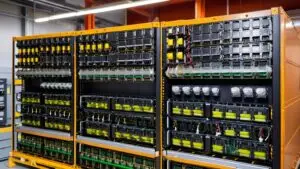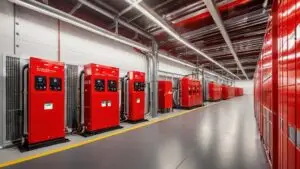
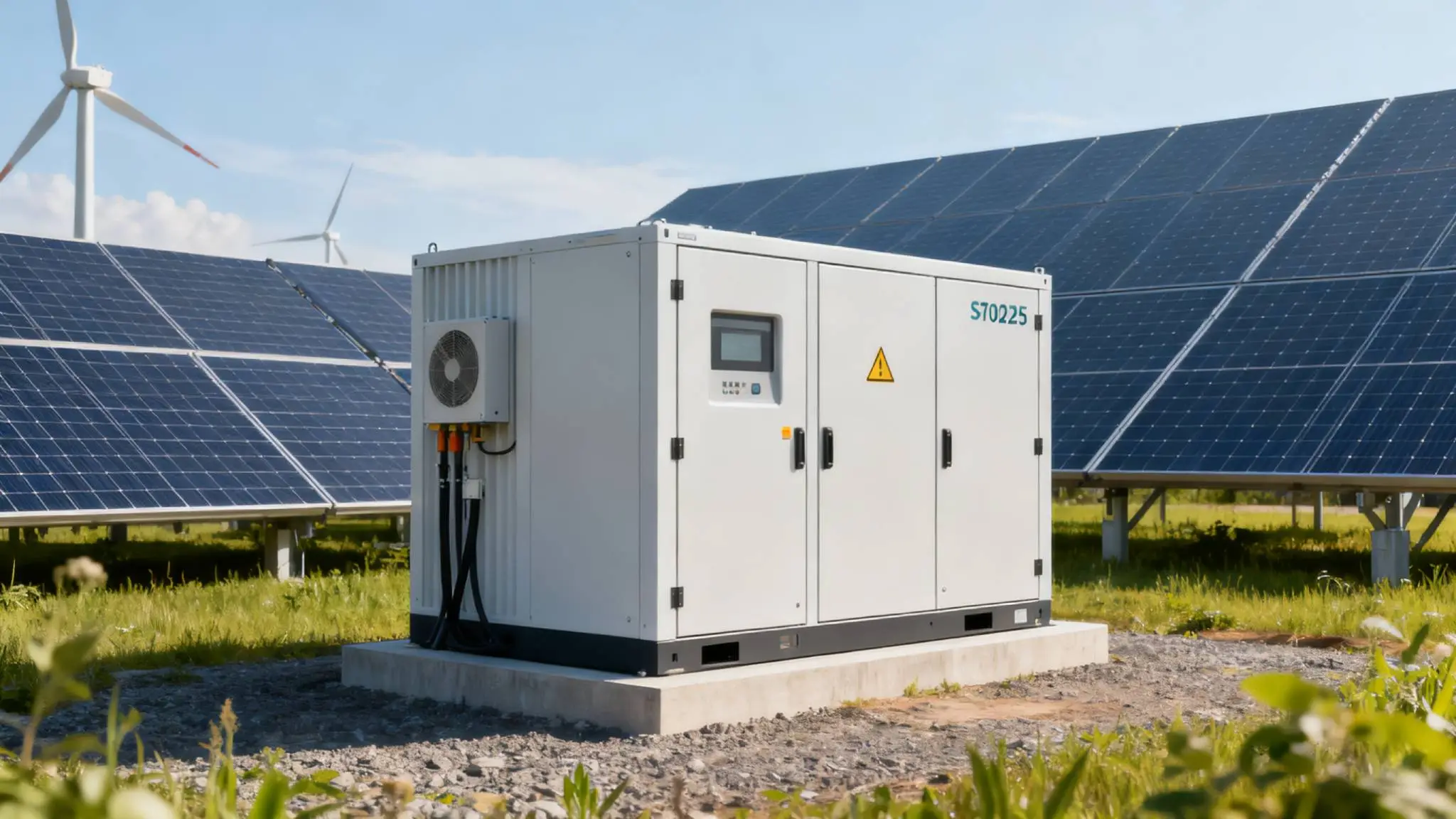
The global energy storage market has emerged as a pivotal component in the transition towards sustainable energy systems. As the world grapples with the challenges of climate change and the need for reliable energy sources, energy storage technologies have gained prominence for their ability to balance supply and demand, enhance grid stability, and facilitate the integration of renewable energy sources. The market encompasses a diverse range of technologies, including lithium-ion batteries, pumped hydro storage, flywheels, and emerging solutions like solid-state batteries and hydrogen storage.
The increasing penetration of intermittent renewable energy sources, such as solar and wind, has underscored the necessity for effective energy storage solutions that can mitigate fluctuations in energy generation. In recent years, the global energy storage market has witnessed exponential growth, driven by technological advancements, declining costs, and supportive government policies. According to various industry reports, the market is projected to reach hundreds of gigawatt-hours (GWh) of installed capacity by the end of the decade.
This growth trajectory is not only indicative of a shift in energy paradigms but also reflects a broader recognition of the critical role that energy storage plays in achieving energy security and sustainability goals. As countries strive to meet their climate commitments under international agreements like the Paris Accord, the demand for innovative energy storage solutions is expected to surge, creating a dynamic landscape for stakeholders across the energy sector.
Key Takeaways
- The global energy storage market is experiencing rapid growth due to increasing demand for renewable energy integration and grid stability.
- Emerging economies present significant opportunities for energy storage deployment, driven by the need for reliable and sustainable energy solutions.
- The current state of the energy storage market is characterized by a diverse range of technologies and applications, with a focus on cost reduction and performance improvement.
- Technology innovations such as advanced battery storage, grid-scale solutions, and digitalization are driving the growth of the energy storage market.
- Policy and regulatory frameworks play a crucial role in shaping the energy storage market, with incentives and mandates driving investment and deployment.
Key Opportunities in Emerging Economies for Energy Storage
Emerging economies present a unique landscape for the development and deployment of energy storage technologies. Many of these countries are experiencing rapid urbanization and industrialization, leading to increased energy demand that often outpaces supply capabilities. In regions where grid infrastructure is underdeveloped or unreliable, energy storage systems can provide a viable solution to enhance energy access and reliability.
For instance, in parts of Africa and Southeast Asia, off-grid solar systems paired with battery storage are enabling communities to harness renewable energy without relying on traditional grid connections. This not only empowers local populations but also fosters economic development by providing reliable electricity for businesses and essential services. Moreover, emerging economies are increasingly recognizing the potential of energy storage to support their renewable energy ambitions.
Countries like India and Brazil are investing heavily in solar and wind projects, which necessitate robust energy storage solutions to manage variability in generation. In India, the government has set ambitious targets for renewable energy capacity, aiming for 450 GW by 2030. To achieve this goal, energy storage technologies will be essential in ensuring that excess energy generated during peak production times can be stored and utilized during periods of low generation.
This creates a significant opportunity for both domestic and international companies to invest in and develop tailored energy storage solutions that meet the specific needs of these markets.
Sector Analysis: Current State and Future Trends

The current state of the global energy storage market is characterized by rapid technological advancements and increasing investments across various segments. Lithium-ion batteries dominate the market due to their high energy density, efficiency, and declining costs. According to BloombergNEF, the cost of lithium-ion batteries has fallen by over 80% since 2010, making them more accessible for a wide range of applications, from electric vehicles to grid-scale storage systems.
This trend is expected to continue as manufacturers scale production and innovate new chemistries that enhance performance while reducing reliance on scarce materials. Looking ahead, several trends are poised to shape the future of the energy storage sector. One notable trend is the growing interest in alternative battery technologies, such as solid-state batteries and flow batteries.
Solid-state batteries promise higher energy densities and improved safety profiles compared to traditional lithium-ion batteries, making them particularly attractive for electric vehicles and portable electronics. Flow batteries, on the other hand, offer advantages in terms of scalability and longevity, making them suitable for large-scale grid applications. As research and development efforts continue to advance these technologies, they may play a crucial role in diversifying the energy storage landscape and addressing specific use cases that lithium-ion batteries may not fully satisfy.
Technology Innovations Driving the Energy Storage Market
Technological innovation is at the heart of the evolution of the energy storage market. One of the most significant advancements has been in battery chemistry and design. Researchers are exploring various materials beyond lithium-ion, such as sodium-ion and lithium-sulfur batteries, which could offer lower costs and enhanced performance characteristics.
Sodium-ion batteries, for instance, utilize abundant materials that could alleviate concerns over lithium supply constraints while maintaining competitive performance metrics. In addition to advancements in battery chemistry, innovations in software and control systems are enhancing the efficiency and effectiveness of energy storage systems. Advanced algorithms enable better forecasting of energy demand and generation patterns, allowing storage systems to optimize charging and discharging cycles based on real-time data.
Furthermore, developments in artificial intelligence (AI) are facilitating predictive maintenance for battery systems, extending their operational lifespan and reducing downtime. These technological innovations not only improve the performance of existing systems but also pave the way for new applications across various sectors, including transportation, industrial processes, and residential energy management.
Policy and Regulatory Frameworks Impacting the Energy Storage Market
The policy landscape plays a crucial role in shaping the trajectory of the global energy storage market. Governments around the world are increasingly recognizing the importance of supportive regulatory frameworks to incentivize investment in energy storage technologies. In many regions, policies such as tax credits, grants, and subsidies are being implemented to lower barriers to entry for new technologies.
For example, in the United States, federal tax incentives for battery storage systems have spurred significant growth in both residential and commercial applications. Moreover, regulatory frameworks that facilitate grid integration of energy storage systems are essential for unlocking their full potential. In several jurisdictions, utilities are beginning to adopt policies that allow for compensation mechanisms for energy storage services provided to the grid.
This includes services such as frequency regulation, demand response, and peak shaving. By establishing clear guidelines for how energy storage can participate in electricity markets, regulators can create a more favorable environment for investment while enhancing grid reliability.
Investment and Funding Trends in the Global Energy Storage Market

Investment trends within the global energy storage market reflect a growing recognition of its strategic importance in achieving sustainable energy goals. Venture capital funding has surged in recent years as investors seek opportunities within innovative startups focused on developing next-generation battery technologies or novel applications for existing systems. For instance, companies specializing in long-duration energy storage solutions have attracted significant investment due to their potential to address challenges associated with intermittent renewable generation.
In addition to venture capital, large-scale investments from institutional investors and corporations are becoming increasingly common as companies look to diversify their portfolios with sustainable assets. Major players in the automotive industry are investing heavily in battery manufacturing facilities to secure supply chains for electric vehicle production while simultaneously exploring partnerships with technology firms focused on energy storage solutions. This convergence of interests between traditional industries and emerging technologies is indicative of a broader trend towards integrated approaches that leverage synergies across sectors.
Market Challenges and Potential Solutions
Despite its promising outlook, the global energy storage market faces several challenges that must be addressed to ensure sustainable growth. One significant challenge is the supply chain constraints associated with critical materials used in battery production, particularly lithium, cobalt, and nickel. As demand for these materials surges alongside increased battery production, concerns over resource availability and price volatility have emerged.
To mitigate these risks, stakeholders are exploring alternative materials and recycling initiatives aimed at creating a circular economy within the battery supply chain. Another challenge lies in public perception and acceptance of new technologies. While awareness of renewable energy benefits is growing, misconceptions about battery safety or environmental impacts can hinder adoption rates.
Educational campaigns aimed at informing consumers about the advantages of energy storage systems—such as enhanced grid resilience or reduced electricity costs—can help foster greater acceptance. Additionally, pilot projects showcasing successful implementations can serve as tangible examples that demonstrate the viability and benefits of these technologies.
Future Outlook for the Global Energy Storage Market
The future outlook for the global energy storage market is characterized by optimism driven by technological advancements, supportive policies, and increasing investment across various sectors. As countries continue to prioritize sustainability goals amid growing concerns over climate change impacts, energy storage will play an indispensable role in facilitating this transition. The ongoing evolution of battery technologies promises not only improved performance but also greater accessibility for diverse applications ranging from residential use to large-scale grid integration.
As emerging economies capitalize on opportunities presented by energy storage solutions to enhance their infrastructure and meet rising demand for electricity, global collaboration will be essential in sharing best practices and fostering innovation. The interplay between technology development, regulatory frameworks, investment trends, and public acceptance will ultimately shape the trajectory of this dynamic market. With concerted efforts from stakeholders across industries—governments, private sector players, researchers—the global energy storage market is poised for transformative growth that will redefine how we generate, store, and consume energy in a sustainable future.