Microgrids represent a transformative shift in the way energy is generated, distributed, and consumed. Defined as localized energy systems that can operate independently or in conjunction with the traditional grid, microgrids are designed to enhance energy resilience and efficiency. They can integrate various energy sources, including renewable energy, storage systems, and conventional generators, allowing for a more flexible and responsive energy infrastructure.
The concept of microgrids has gained traction in recent years due to the increasing demand for sustainable energy solutions and the need for reliable power sources in the face of climate change and aging infrastructure. The evolution of microgrid technology has been driven by advancements in energy management systems, battery storage technologies, and renewable energy generation. As facilities seek to reduce their carbon footprint and enhance their energy security, microgrids offer a viable solution that aligns with these goals.
By decentralizing energy production and enabling localized control, microgrids empower facilities to optimize their energy use while contributing to broader sustainability objectives. This article delves into the multifaceted benefits of microgrids, their role in promoting energy independence, and the technological components that make them viable.
Key Takeaways
- Microgrids are localized energy systems that can operate independently or in conjunction with the main grid.
- Facilities can benefit from microgrids by improving energy reliability, reducing costs, and increasing sustainability.
- Microgrids promote energy independence by allowing facilities to generate and manage their own power, reducing reliance on the main grid.
- Successful case studies of microgrid implementations demonstrate improved energy resilience and cost savings for facilities.
- Renewable energy plays a crucial role in microgrids, providing clean and sustainable power sources for facilities.
The Benefits of Microgrids for Facilities
Microgrids provide a plethora of benefits for facilities, ranging from enhanced reliability to cost savings. One of the most significant advantages is the ability to maintain power during outages or disruptions in the main grid. Facilities equipped with microgrids can seamlessly transition to local generation sources, ensuring that critical operations continue without interruption.
This capability is particularly vital for institutions such as hospitals, data centers, and manufacturing plants, where even brief power outages can result in substantial financial losses or jeopardize safety. In addition to reliability, microgrids can lead to significant cost savings over time. By generating their own electricity, facilities can reduce their dependence on utility providers and mitigate exposure to fluctuating energy prices.
Furthermore, microgrids can optimize energy consumption through advanced management systems that analyze usage patterns and adjust generation accordingly. This not only lowers operational costs but also enhances overall energy efficiency. Facilities can also take advantage of demand response programs, where they reduce or shift their electricity usage during peak periods in exchange for financial incentives from utilities.
How Microgrids Promote Energy Independence

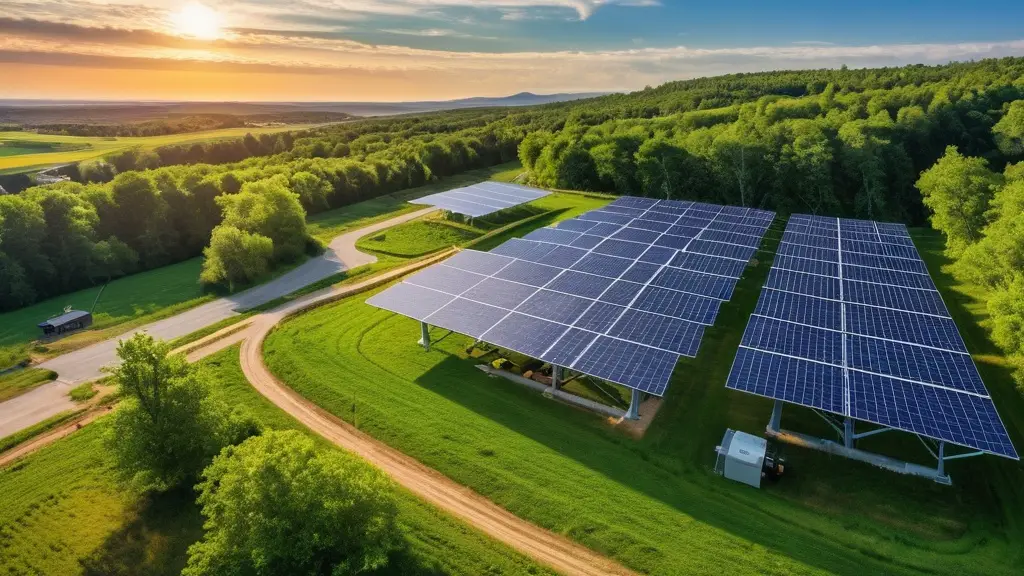
Energy independence is a critical goal for many facilities, particularly in an era marked by geopolitical tensions and fluctuating fossil fuel prices. Microgrids play a pivotal role in achieving this independence by enabling facilities to harness local energy resources. By integrating renewable energy sources such as solar panels and wind turbines, facilities can generate their own electricity, reducing reliance on external suppliers.
This localized approach not only enhances energy security but also contributes to a more sustainable energy landscape. Moreover, microgrids facilitate the use of energy storage systems, such as batteries, which allow facilities to store excess energy generated during peak production times for use during periods of high demand or low generation. This capability further enhances energy independence by providing a buffer against supply disruptions and price volatility.
As facilities increasingly adopt microgrid technology, they are better positioned to navigate the complexities of the modern energy landscape while contributing to national goals of reducing greenhouse gas emissions and promoting renewable energy adoption.
Case Studies of Successful Microgrid Implementations
Numerous case studies illustrate the successful implementation of microgrids across various sectors. One notable example is the University of California, San Diego (UCSD), which has developed one of the largest university-based microgrids in the United States. The UCSD microgrid integrates a combination of solar photovoltaic systems, fuel cells, and natural gas generators to provide reliable power to its campus.
This system not only enhances the university’s energy resilience but also allows it to achieve significant reductions in greenhouse gas emissions. Another compelling case is the microgrid established at the island of Ta’u in American Samoa. Following the devastation caused by Hurricane Tutu in 2016, Ta’u transitioned from relying on imported diesel fuel to a solar-powered microgrid that includes battery storage.
This transformation has enabled the island to achieve 100% renewable energy generation, significantly reducing its carbon footprint while ensuring a stable power supply for its residents. These examples underscore the versatility and effectiveness of microgrids in diverse settings, demonstrating their potential to address unique energy challenges.
The Role of Renewable Energy in Microgrids
Renewable energy sources are at the heart of most microgrid designs, providing a sustainable alternative to traditional fossil fuels. Solar power is often the most prevalent source due to its scalability and decreasing costs associated with photovoltaic technology. Wind energy also plays a significant role in certain regions where wind resources are abundant.
By incorporating these renewable sources into microgrid systems, facilities can significantly reduce their carbon emissions while enhancing their energy independence. The integration of renewable energy into microgrids is facilitated by advancements in technology that allow for better forecasting and management of variable generation sources. Energy management systems can optimize the use of renewables by predicting generation patterns based on weather forecasts and historical data.
Additionally, hybrid systems that combine multiple renewable sources with storage solutions ensure a consistent power supply even when generation is intermittent. This synergy between renewable energy and microgrid technology not only supports sustainability goals but also fosters innovation in energy management practices.
Microgrid Technology and Components

The successful operation of a microgrid relies on a variety of technological components that work together to ensure efficient energy generation and distribution. At its core, a microgrid typically includes distributed energy resources (DERs) such as solar panels, wind turbines, and combined heat and power (CHP) systems. These resources are complemented by energy storage solutions like lithium-ion batteries or flywheels that provide backup power during peak demand or outages.
Advanced control systems are essential for managing the complex interactions between these components. These systems utilize algorithms and real-time data analytics to optimize energy flow within the microgrid, ensuring that generation matches consumption while maintaining grid stability. Communication technologies also play a crucial role in enabling remote monitoring and control of microgrid operations.
By leveraging Internet of Things (IoT) devices and smart meters, facilities can gain insights into their energy usage patterns and make informed decisions about resource allocation.
Overcoming Challenges in Implementing Microgrids
Despite their numerous advantages, implementing microgrids is not without challenges. One significant hurdle is the initial capital investment required for infrastructure development. Facilities must weigh the upfront costs against long-term savings and benefits when considering microgrid adoption.
Financial incentives such as grants or tax credits can help alleviate some of this burden, but securing funding remains a critical consideration for many organizations. Regulatory barriers also pose challenges to microgrid implementation. In many regions, existing utility regulations may not accommodate decentralized energy generation or may impose restrictions on how facilities can operate their microgrids.
Navigating these regulatory landscapes requires collaboration between stakeholders, including facility managers, utility companies, and policymakers. Engaging in dialogue about the benefits of microgrids can help pave the way for more favorable regulations that support their growth.
The Economic Impact of Microgrids for Facilities
The economic implications of adopting microgrid technology extend beyond immediate cost savings on electricity bills. Facilities that implement microgrids often experience enhanced operational efficiency due to improved energy management practices. By optimizing their energy consumption patterns and reducing peak demand charges, organizations can achieve significant reductions in overall operating costs.
Moreover, microgrids can create new revenue streams through participation in demand response programs or by selling excess generated power back to the grid. Facilities equipped with advanced metering infrastructure can monitor their energy production and consumption in real-time, allowing them to capitalize on market fluctuations and optimize their financial performance. As more organizations recognize these economic benefits, the adoption of microgrid technology is likely to accelerate.
Microgrid Regulations and Policies
The regulatory landscape surrounding microgrids is evolving as governments recognize their potential to enhance energy resilience and promote sustainability. Policymakers are increasingly developing frameworks that support the deployment of microgrid technology while addressing concerns related to grid reliability and safety. These regulations often focus on interconnection standards, permitting processes, and incentives for renewable energy integration.
In some regions, states have enacted policies that encourage utilities to invest in microgrid development as part of broader efforts to modernize the grid and enhance reliability during extreme weather events or other disruptions. For instance, California has implemented initiatives aimed at promoting community resilience through localized energy solutions like microgrids. As these policies continue to evolve, they will play a crucial role in shaping the future landscape of microgrid adoption across various sectors.
The Future of Microgrids in Facility Energy Management
Looking ahead, the future of microgrids appears promising as technological advancements continue to drive innovation in energy management practices. The integration of artificial intelligence (AI) and machine learning into microgrid control systems will enable even more sophisticated optimization strategies that enhance efficiency and reliability. These technologies will allow facilities to predict demand patterns more accurately and adjust their operations accordingly.
Furthermore, as public awareness of climate change grows, there will likely be increased pressure on organizations to adopt sustainable practices. Microgrids offer a compelling solution that aligns with these goals while providing tangible benefits such as cost savings and enhanced resilience. As more facilities recognize the value of decentralized energy solutions, we can expect a surge in microgrid deployments across various sectors.
The Potential of Microgrids for Energy Independence
Microgrids represent a significant opportunity for facilities seeking greater control over their energy resources while promoting sustainability and resilience. By harnessing local generation sources and integrating advanced technologies, organizations can achieve enhanced reliability and reduced costs while contributing to broader environmental goals. As challenges related to implementation are addressed through innovative policies and financial incentives, the potential for widespread adoption of microgrids becomes increasingly viable.
The journey toward energy independence is complex but achievable with the strategic deployment of microgrid technology. As facilities continue to explore this transformative approach to energy management, they will not only enhance their operational efficiency but also play a pivotal role in shaping a more sustainable future for all.
FAQs
What is a microgrid?
A microgrid is a localized group of electricity sources and loads that can operate independently from the traditional centralized grid. It can be powered by renewable energy sources, such as solar panels or wind turbines, and can also be connected to the main grid for backup power.
How do microgrids revolutionize energy independence for facilities?
Microgrids provide facilities with the ability to generate their own power, reducing reliance on the main grid and increasing energy independence. This can lead to cost savings, increased resilience, and reduced environmental impact.
What are the benefits of using microgrids for facilities?
Some benefits of using microgrids for facilities include increased energy reliability, lower energy costs, reduced carbon emissions, and the ability to integrate renewable energy sources. Microgrids also provide a level of energy security during grid outages or disruptions.
What types of facilities can benefit from using microgrids?
A wide range of facilities can benefit from using microgrids, including commercial buildings, industrial facilities, military bases, hospitals, universities, and remote communities. Any facility that wants to increase energy independence and resilience can consider implementing a microgrid system.
Are there any challenges associated with implementing microgrids for facilities?
Some challenges associated with implementing microgrids for facilities include high initial costs, regulatory barriers, and technical complexities. However, advancements in technology and supportive policies are helping to overcome these challenges.