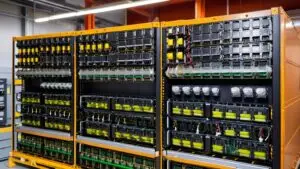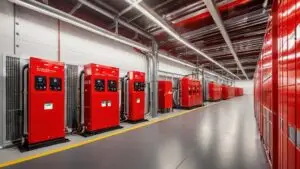
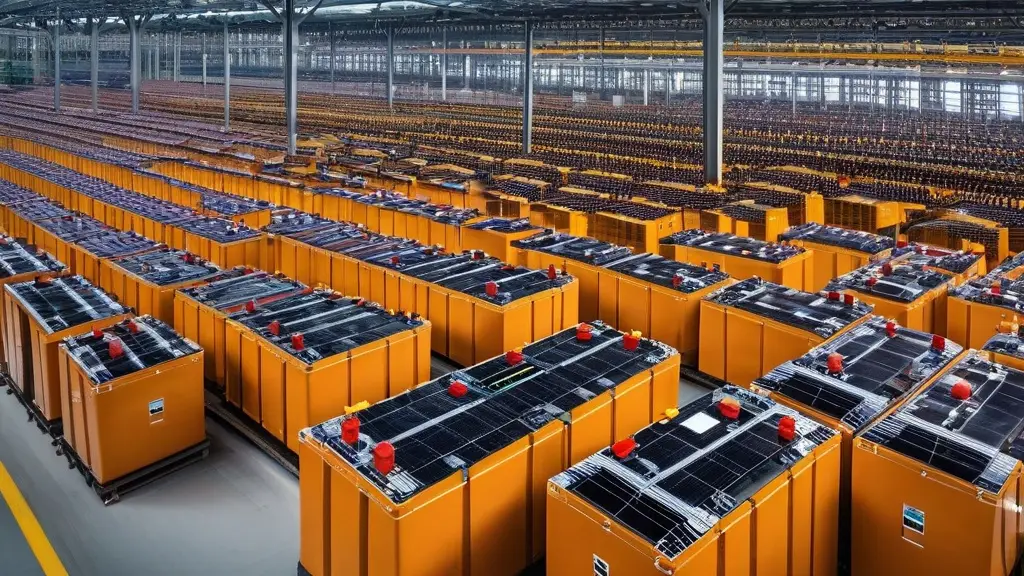
The battery lifecycle encompasses the entire journey of a battery from its initial design and manufacturing to its eventual disposal or recycling. This lifecycle can be divided into several distinct phases: production, usage, and end-of-life. During the production phase, raw materials such as lithium, cobalt, nickel, and graphite are extracted and processed to create battery cells.
The manufacturing process involves assembling these cells into modules and packs, which are then integrated into various applications, including electric vehicles, renewable energy storage systems, and consumer electronics. Each step in this phase has implications for the environment and resource consumption, making it crucial to consider sustainable practices right from the outset. Once a battery is deployed in the field, it enters the usage phase, where its performance is influenced by various factors such as temperature, charge cycles, and discharge rates.
Understanding how these factors interact is essential for optimizing battery performance and longevity. The end-of-life phase is equally important; it involves determining whether a battery can be repurposed for secondary applications or if it should be recycled or disposed of. This phase is critical for minimizing environmental impact and recovering valuable materials.
A comprehensive understanding of the battery lifecycle is essential for stakeholders aiming to improve efficiency, reduce costs, and promote sustainability in battery management.
Key Takeaways
- Understanding the Battery Lifecycle:
- Industrial batteries have a limited lifespan and go through stages of degradation over time.
- Factors Affecting Battery Degradation:
- Temperature, depth of discharge, and charging/discharging rates can significantly impact battery degradation.
- Monitoring and Predicting Battery Degradation:
- Advanced monitoring systems and predictive analytics can help anticipate and manage battery degradation.
- Extending Battery Lifespan through Maintenance and Management:
- Regular maintenance, proper charging practices, and effective management can extend the lifespan of industrial batteries.
- Implementing Sustainable Battery Deployment Practices:
- Sustainable practices such as using renewable energy for charging and optimizing battery usage can reduce environmental impact.
- Recycling and Disposal of Industrial Batteries:
- Proper recycling and disposal of industrial batteries is crucial to minimize environmental harm and recover valuable materials.
- Environmental Impact of Industrial Battery Lifecycle:
- The production, usage, and disposal of industrial batteries can have significant environmental implications, making sustainable practices essential.
- Innovations in Battery Technology for Extended Lifespan:
- Ongoing advancements in battery technology, such as solid-state batteries, aim to improve lifespan and performance.
- Regulatory Compliance and Standards for Industrial Battery Lifecycle:
- Adhering to regulations and industry standards is essential for ensuring safe and sustainable industrial battery practices.
- Cost Analysis and Benefits of Sustainable Battery Lifecycle Practices:
- While sustainable practices may require initial investment, the long-term benefits in terms of cost savings and environmental impact are significant.
- Future Trends in Industrial Battery Lifecycle Management:
- Emerging trends include the integration of smart grid technologies, energy storage systems, and circular economy principles for industrial battery management.
Factors Affecting Battery Degradation
Battery degradation is a complex phenomenon influenced by multiple factors that can significantly shorten a battery’s usable life. One of the primary factors is temperature; extreme heat can accelerate chemical reactions within the battery, leading to faster degradation of the electrolyte and electrodes. Conversely, extremely low temperatures can hinder the battery’s ability to deliver power efficiently.
For instance, lithium-ion batteries typically operate best within a temperature range of 20°C to 25°Operating outside this range can lead to reduced capacity and increased internal resistance, ultimately affecting performance. Another critical factor is the depth of discharge (DoD) during usage. Batteries that are frequently discharged to very low levels experience more stress than those that are kept within a moderate range of charge.
For example, a lithium-ion battery that is regularly cycled between 100% and 20% charge will generally have a longer lifespan than one that is cycled between 100% and 0%. Additionally, the rate at which a battery is charged or discharged can also impact its longevity; fast charging can generate excess heat and lead to lithium plating on the anode, while slow charging may help maintain optimal conditions for chemical reactions. Understanding these factors is crucial for developing strategies to mitigate degradation and enhance battery performance.
Monitoring and Predicting Battery Degradation

Effective monitoring and prediction of battery degradation are essential for optimizing performance and extending lifespan. Advanced battery management systems (BMS) utilize various techniques to assess the health of a battery in real-time. These systems often incorporate sensors that measure voltage, current, temperature, and state of charge (SoC).
By analyzing this data, BMS can provide insights into the battery’s condition and predict potential failures before they occur. For instance, if a BMS detects an unusual increase in temperature during charging, it can trigger protective measures to prevent overheating. Predictive modeling techniques also play a significant role in understanding battery degradation over time.
Machine learning algorithms can analyze historical data from similar batteries to forecast future performance based on current usage patterns. These models can take into account various factors such as charge cycles, environmental conditions, and operational demands. By employing these predictive analytics tools, manufacturers and operators can make informed decisions about maintenance schedules, replacement timelines, and optimal usage strategies.
This proactive approach not only enhances reliability but also contributes to cost savings by minimizing unexpected failures.
Extending Battery Lifespan through Maintenance and Management
Proper maintenance and management practices are vital for extending the lifespan of industrial batteries. Regular maintenance checks can identify early signs of degradation, allowing for timely interventions that can prevent further deterioration. For example, routine inspections may reveal issues such as corrosion on terminals or electrolyte leakage in lead-acid batteries.
Addressing these problems promptly can significantly enhance performance and longevity. In addition to physical maintenance, effective management strategies also involve optimizing charging practices. Implementing smart charging protocols that adjust charging rates based on real-time conditions can help minimize stress on the battery.
For instance, using a gradual charging approach rather than a rapid one can reduce heat generation and prolong battery life. Furthermore, maintaining an optimal state of charge—typically between 20% and 80%—can prevent excessive cycling that leads to degradation. By combining these maintenance practices with intelligent management strategies, organizations can maximize their investment in battery technology while ensuring reliable performance.
Implementing Sustainable Battery Deployment Practices
Sustainable deployment practices are increasingly important as industries seek to minimize their environmental footprint while maximizing efficiency. One key aspect of sustainable deployment is the selection of materials used in battery production. Manufacturers are exploring alternatives to traditional materials like cobalt due to ethical concerns surrounding mining practices and supply chain sustainability.
For example, researchers are investigating sodium-ion batteries as a more abundant and less environmentally damaging alternative. Another critical component of sustainable deployment is the design of batteries for modularity and recyclability. By creating batteries that can be easily disassembled and repurposed at the end of their life cycle, manufacturers can reduce waste and recover valuable materials more efficiently.
Additionally, integrating renewable energy sources into the charging infrastructure can further enhance sustainability by reducing reliance on fossil fuels. For instance, solar-powered charging stations for electric vehicles not only provide clean energy but also promote the use of electric mobility solutions.
Recycling and Disposal of Industrial Batteries

The recycling and disposal of industrial batteries present significant challenges but also opportunities for resource recovery and environmental protection. Many types of batteries contain hazardous materials that require careful handling during disposal to prevent environmental contamination. For example, lead-acid batteries must be processed in specialized facilities to safely recover lead while neutralizing harmful acids.
Recycling processes vary depending on the type of battery but generally involve collection, sorting, shredding, and chemical processing to extract valuable materials such as lithium, nickel, cobalt, and graphite. Advanced recycling technologies are being developed to improve recovery rates and reduce costs associated with processing spent batteries. For instance, hydrometallurgical methods allow for more efficient extraction of metals compared to traditional pyrometallurgical techniques.
By investing in robust recycling infrastructure and promoting responsible disposal practices among consumers and businesses alike, industries can significantly mitigate their environmental impact while contributing to a circular economy.
Environmental Impact of Industrial Battery Lifecycle
The environmental impact of the industrial battery lifecycle is multifaceted and requires careful consideration at each stage—from raw material extraction to end-of-life disposal. The mining of raw materials often leads to habitat destruction, water pollution, and significant carbon emissions associated with transportation and processing. For example, lithium extraction from salt flats in South America has raised concerns about water depletion in arid regions where local communities depend on these resources for agriculture.
During the usage phase, batteries contribute to greenhouse gas emissions indirectly through electricity generation methods used for charging. If fossil fuels dominate the energy mix in a region, the overall carbon footprint associated with electric vehicles or renewable energy storage systems may be higher than anticipated. Therefore, transitioning to cleaner energy sources is essential for maximizing the environmental benefits of battery technologies.
At the end-of-life stage, improper disposal can lead to toxic substances leaching into soil and water systems. This underscores the importance of developing effective recycling programs that not only recover valuable materials but also ensure safe handling of hazardous components. By addressing these environmental challenges throughout the battery lifecycle, industries can work towards minimizing their ecological footprint while promoting sustainable practices.
Innovations in Battery Technology for Extended Lifespan
Innovations in battery technology are crucial for extending lifespan and improving overall performance. One promising area of research involves solid-state batteries, which replace liquid electrolytes with solid materials. This shift not only enhances safety by reducing flammability risks but also allows for higher energy densities and longer cycle lives compared to traditional lithium-ion batteries.
Companies like QuantumScape are at the forefront of developing solid-state technology that could revolutionize electric vehicle performance. Another area of innovation focuses on advanced chemistries that enhance cycle stability and reduce degradation rates. For instance, researchers are exploring silicon-based anodes as an alternative to conventional graphite anodes in lithium-ion batteries.
Silicon has a much higher theoretical capacity for lithium storage but tends to expand significantly during charging cycles, leading to mechanical stress and degradation over time. By developing nanostructured silicon anodes or hybrid composites that mitigate these issues, manufacturers aim to create batteries with significantly improved lifespans.
Regulatory Compliance and Standards for Industrial Battery Lifecycle
Regulatory compliance plays a vital role in ensuring safe practices throughout the industrial battery lifecycle. Various international standards govern aspects such as manufacturing processes, safety protocols, transportation regulations, and recycling requirements. Organizations like the International Electrotechnical Commission (IEC) provide guidelines that help manufacturers adhere to safety standards while promoting best practices in design and production.
In addition to safety regulations, environmental compliance is increasingly important as governments worldwide implement stricter policies regarding waste management and resource recovery. The European Union’s Battery Directive sets ambitious targets for recycling rates and mandates that manufacturers take responsibility for their products throughout their lifecycle. Compliance with such regulations not only helps mitigate environmental impacts but also enhances brand reputation among consumers who prioritize sustainability.
Cost Analysis and Benefits of Sustainable Battery Lifecycle Practices
Conducting a thorough cost analysis of sustainable battery lifecycle practices reveals both direct financial benefits and long-term savings potential. While initial investments in sustainable technologies or recycling infrastructure may seem high, they often lead to significant cost reductions over time through improved efficiency and resource recovery. For instance, companies that implement effective recycling programs can recapture valuable materials like lithium or cobalt at lower costs than sourcing new raw materials.
Moreover, adopting sustainable practices can enhance operational resilience by reducing dependence on volatile commodity markets. As global demand for batteries continues to rise—driven by trends such as electric vehicle adoption—companies that prioritize sustainability will likely find themselves better positioned in an increasingly competitive landscape. Additionally, consumers are becoming more environmentally conscious; thus businesses that demonstrate commitment to sustainable practices may enjoy enhanced customer loyalty and brand differentiation.
Future Trends in Industrial Battery Lifecycle Management
The future of industrial battery lifecycle management is poised for transformation driven by technological advancements and evolving market demands. One notable trend is the increasing integration of artificial intelligence (AI) into battery management systems (BMS). AI algorithms can analyze vast amounts of data from various sources—such as usage patterns or environmental conditions—to optimize performance dynamically while predicting potential failures before they occur.
Another emerging trend is the rise of second-life applications for used batteries. As electric vehicle batteries reach their end-of-life in automotive applications—typically after 8-10 years—they still retain significant capacity suitable for stationary energy storage solutions in homes or businesses. This trend not only extends the useful life of batteries but also contributes to grid stability by providing backup power during peak demand periods.
Furthermore, collaboration among stakeholders—including manufacturers, researchers, policymakers, and consumers—will be essential for driving innovation across all stages of the battery lifecycle. By fostering partnerships focused on sustainability goals—such as reducing carbon footprints or enhancing recycling rates—industries can collectively work towards creating a more sustainable future while maximizing the benefits derived from advanced battery technologies.
FAQs
What are industrial batteries?
Industrial batteries are large-scale energy storage devices used in various industries such as manufacturing, transportation, and energy production. These batteries are designed to provide backup power, store renewable energy, and power electric vehicles and heavy machinery.
What is the lifecycle of industrial batteries?
The lifecycle of industrial batteries includes several stages: manufacturing, deployment, operation, maintenance, and end-of-life management. Each stage requires careful planning and consideration to ensure the efficient and sustainable use of the batteries.
How are industrial batteries deployed?
Industrial batteries are deployed in various applications, including grid energy storage, uninterruptible power supply (UPS) systems, electric vehicles, and renewable energy integration. The deployment process involves careful planning, installation, and integration with existing infrastructure.
What is the operation and maintenance of industrial batteries?
During the operation phase, industrial batteries require regular monitoring, maintenance, and performance optimization to ensure their reliability and longevity. This includes monitoring the state of charge, temperature, and overall health of the batteries.
What is end-of-life management for industrial batteries?
End-of-life management involves the proper disposal, recycling, or repurposing of industrial batteries once they reach the end of their useful life. This process aims to minimize environmental impact and maximize the recovery of valuable materials from the batteries.
What are the challenges in recycling industrial batteries?
Recycling industrial batteries presents challenges such as the complexity of battery chemistries, the need for specialized recycling technologies, and the collection and transportation of used batteries. Additionally, ensuring the safe handling and disposal of hazardous materials is a key consideration in the recycling process.
What are the benefits of recycling industrial batteries?
Recycling industrial batteries helps to recover valuable materials such as lithium, cobalt, and nickel, reducing the need for raw material extraction. It also minimizes the environmental impact of battery disposal and contributes to a more sustainable and circular economy.